🌍We invite you to explore reports from our international mobilities, as well as research visits and workshops organized at the Institute.✨
Here you will find short summaries, photos 📸, and key experiences shared by participants who have taken part in mobilities around the world. 🌎
07/2026
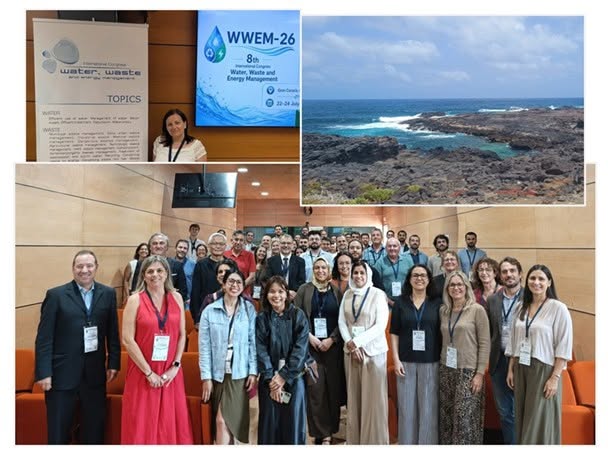
From 22 to 24 July 2026, Dr Beata Gebus-Czupyt participated in the 8th International Congress on Water, Waste and Energy Management (WWEM-26), held in Las Palmas, Gran Canaria, Spain.
During the conference, she presented research results on the use of δ¹⁸O-PO₄ analysis to identify the sources of phosphates in selected waters of the Vistula–Bug interfluve.
Participation in the congress provided an opportunity to exchange knowledge and experience with researchers from different countries, establish contacts with specialists from various fields, and broaden expertise in hydrogeology, municipal and industrial waste management, recycling methods, and the latest research trends.
The conference also offered an excellent opportunity to develop scientific competencies. The contacts established during the event may lead to future collaborative projects in the fields of ecohydrology and water resources management.
Dr Beata Gebus-Czupyt’s participation in the conference was made possible thanks to support from the NAWA PROM Programme.
07/2026
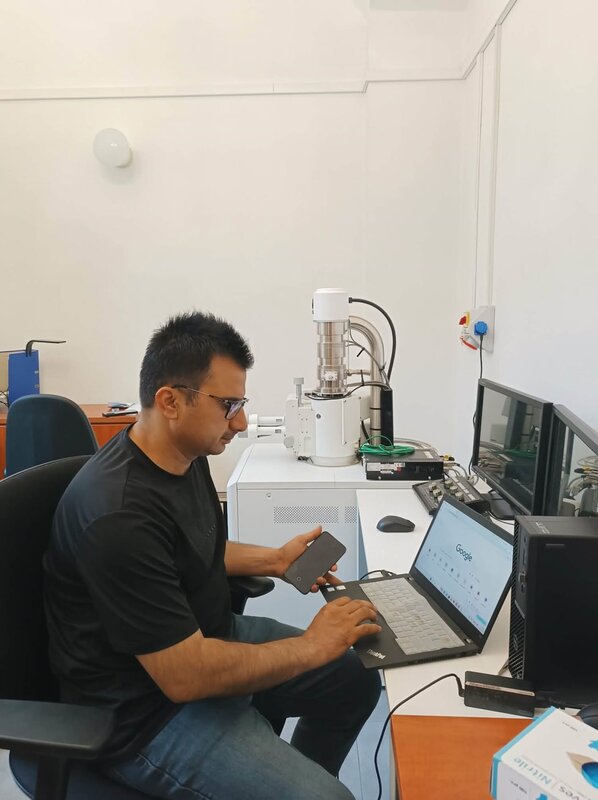
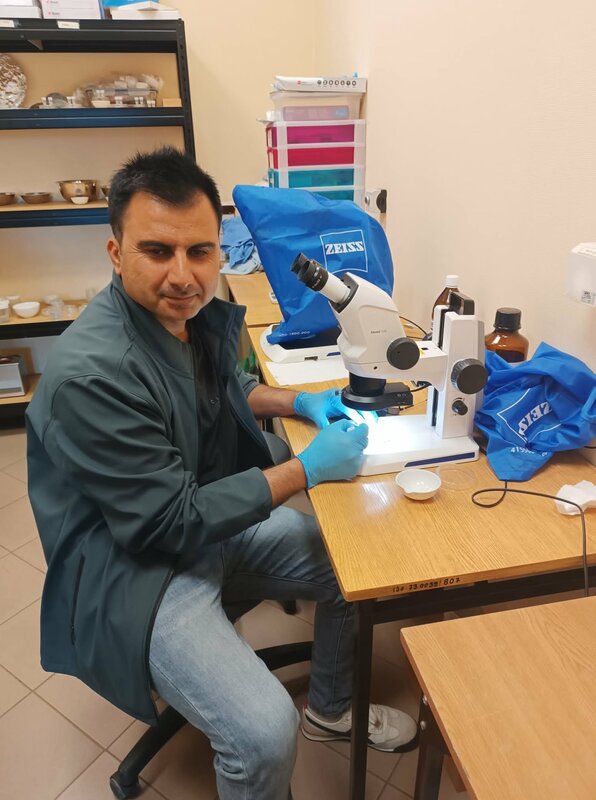
From 20–29 July 2026, the Institute of Geological Sciences of the Polish Academy of Sciences (ING PAN) in Kraków hosted Farooq Ahmed, a PhD student from Lanzhou University (China), as part of a short-term academic exchange under the NAWA PROM programme, supervised by Dr Anna Gumsley.
The main objective of the visit was to advance a joint manuscript on the magmatic evolution of ca. 40–20 Ma granitoids from Pakistan while developing new research skills. During his stay, Farooq refined the interpretation of petrological, geochemical, and isotopic data and gained hands-on experience in apatite sample preparation and analysis. The training included non-toxic heavy mineral separation using a water-based shaking table, preparation of apatite grain mounts, cathodoluminescence (CL) imaging, and scanning electron microscopy with energy-dispersive X-ray spectroscopy (SEM–EDS) for mineral phase identification.
The visit marked the beginning of a new research direction focused on apatites from the studied rocks and established a strong foundation for future scientific collaboration between the Institute of Geological Sciences PAS and Lanzhou University.
06/2026
From 17 to 30 June 2026, Karolina Godos, a PhD candidate at the Institute of Geological Sciences of the Polish Academy of Sciences, completed a short-term scientific mobility programme in the United States.
The visit included:
During the laboratory training, Karolina gained practical experience in modern methods used in foraminiferal research, including confocal fluorescence microscopy, biological sample staining, phylogenetic analyses, and genome and transcriptome sequencing techniques. The knowledge and skills acquired will support the application of advanced molecular methods in research on foraminiferal biomineralisation conducted at the Institute.
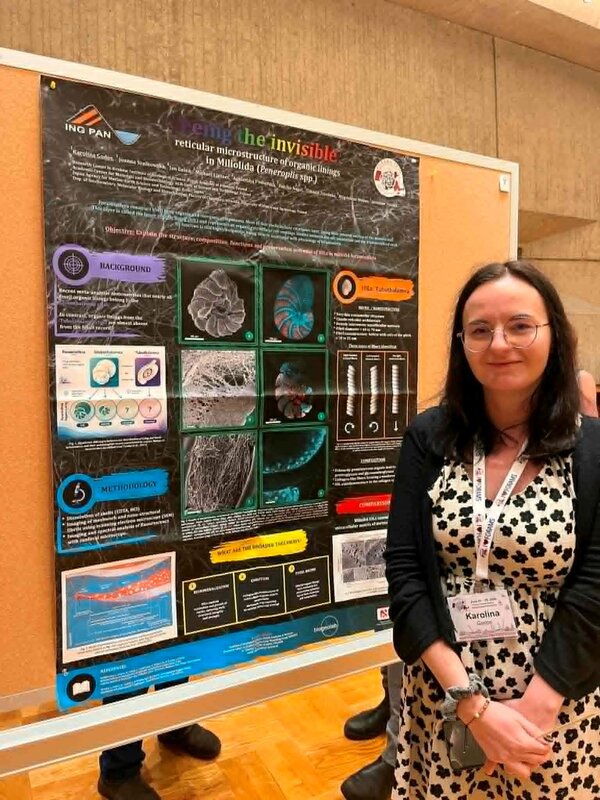
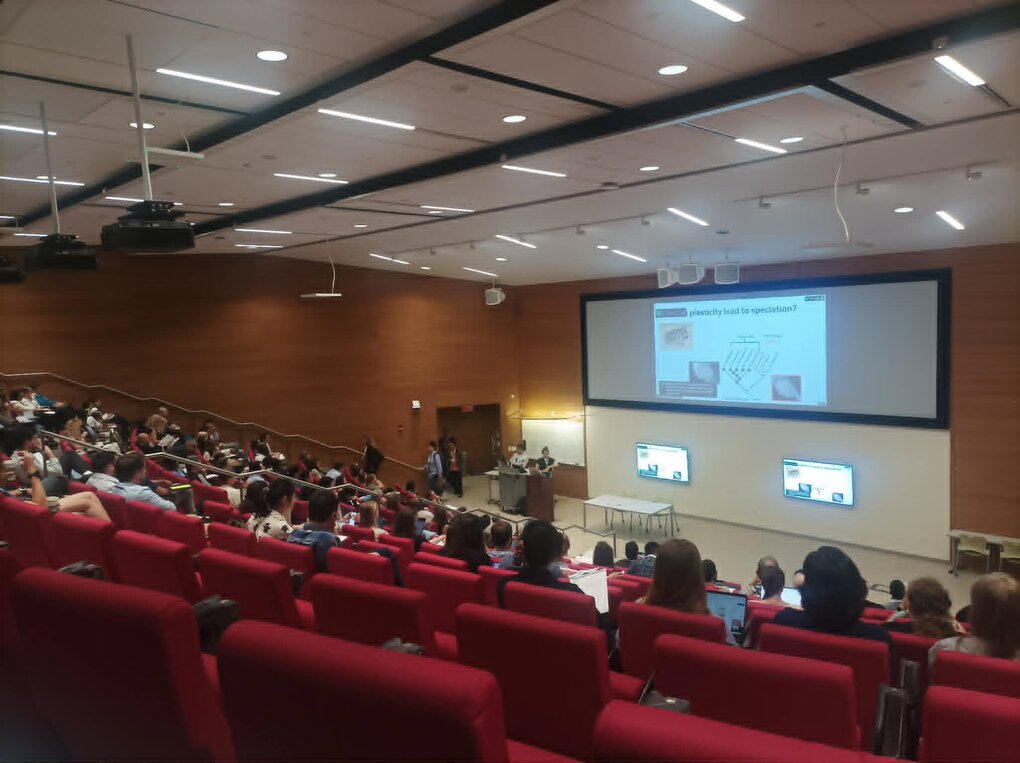
An important part of the mobility was participation in FORAMS 2026, the world’s largest scientific event dedicated to foraminiferal research. Karolina presented her research findings in a poster on the role of organic linings in the biomineralisation process of foraminifera.
Participation in numerous scientific sessions and discussions with researchers from around the world provided an opportunity to exchange knowledge, learn about the latest research directions, and establish new scientific contacts.
The final stage of the mobility involved fieldwork in the Boston area, where samples of living foraminifera were collected from Atlantic Ocean tidal zones. The collected material will be used in further research at the Institute on the biomineralisation, evolution, and diversity of these organisms.
The mobility contributed to the development of the PhD candidate’s research skills, strengthened international cooperation, and promoted the scientific activities of the IGS PAS internationally.

06/2026
In June 2026, Dr Wiktoria Gmochowska from the Wrocław Research Centre of the Institute of Geological Sciences, Polish Academy of Sciences, completed a research stay at the University of Leeds in the United Kingdom under the NAWA PROM programme.
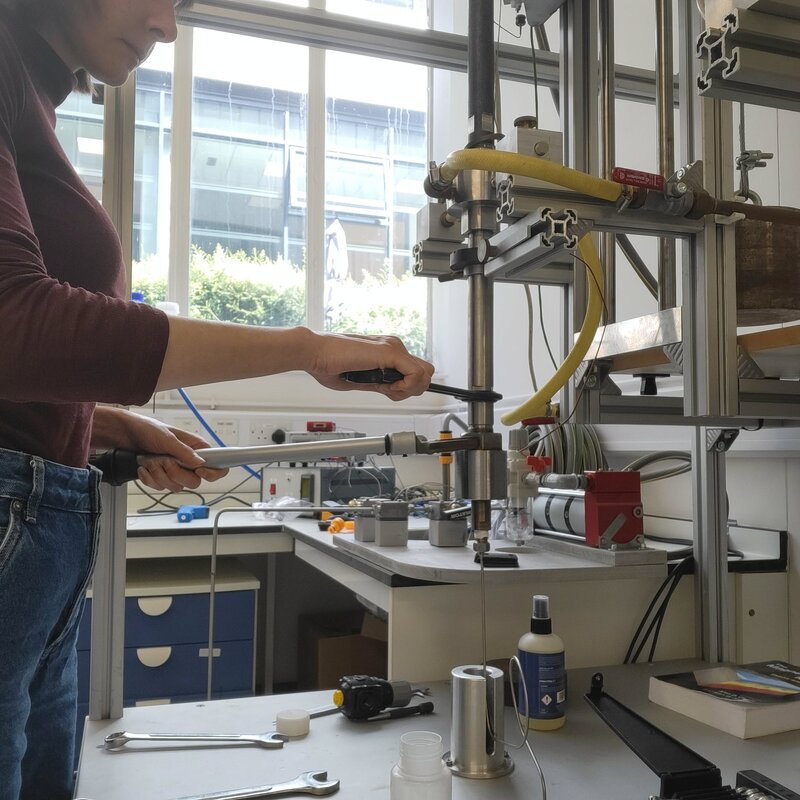
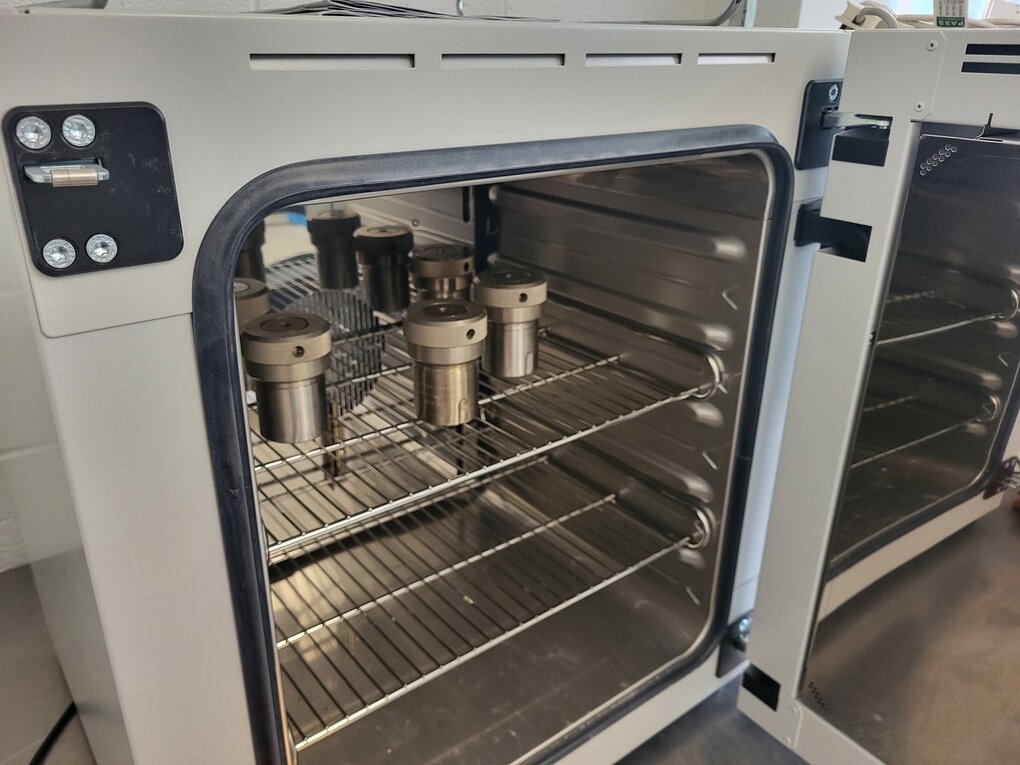
During the visit, she conducted metasomatic experiments using pyrite, water and CaCl₂. The work included preparing research material, setting up a cold-seal autoclave apparatus and carrying out an experiment under conditions of 250°C and 200 MPa.
As part of the stay, Dr Gmochowska also became familiar with batch reactor methods and specialized analytical equipment, including EBSD and SEM systems. The visit also provided an opportunity for scientific discussions with researchers and technical staff at the University of Leeds, as well as for planning the next stages of the research.
07/2026
From 29 June to 8 July, we hosted Kenanga Sari, a doctoral candidate from Universitas Diponegoro in Indonesia, who completed a research stay under the PROM NAWA programme.
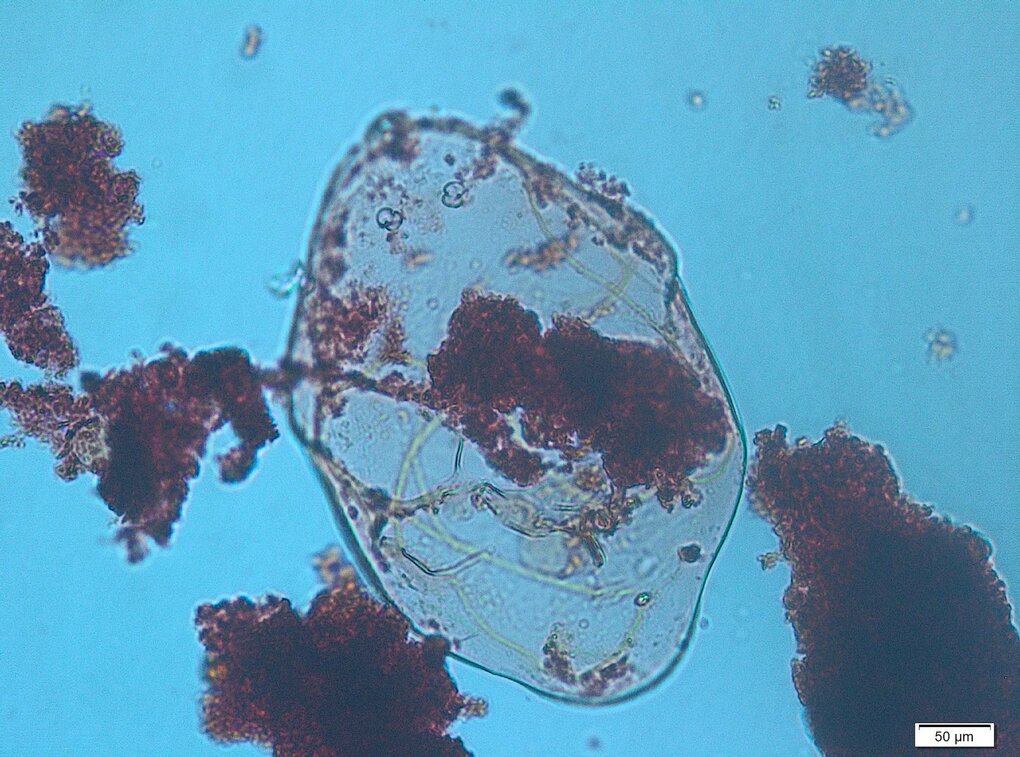
During her visit, Kenanga worked on material from Lake Telaga Merdada in Indonesia, which she uses in her doctoral research. She analysed subfossil remains of Cladocera — small crustaceans whose presence in lake sediments helps reconstruct past environmental changes.
As part of the work, sediment samples were prepared for microscopic analysis, and the preserved remains were identified. One of the more interesting results was the recognition of Alona cambouei, highlighting the potential of tropical lakes in paleolimnological research.
Thank you for the intensive work and inspiring scientific discussions!
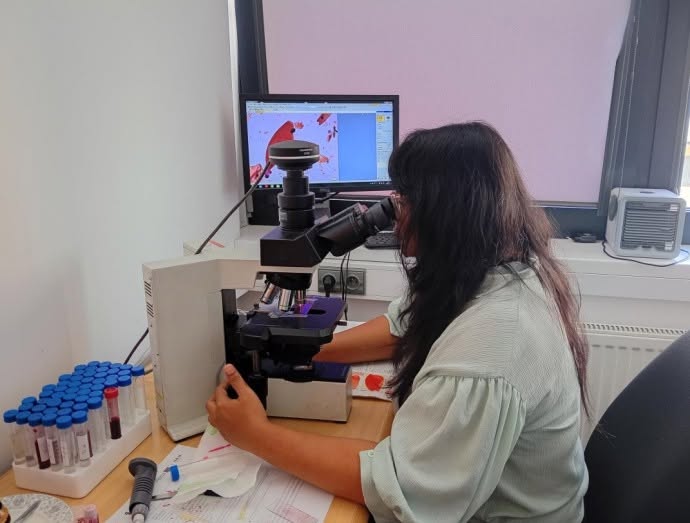
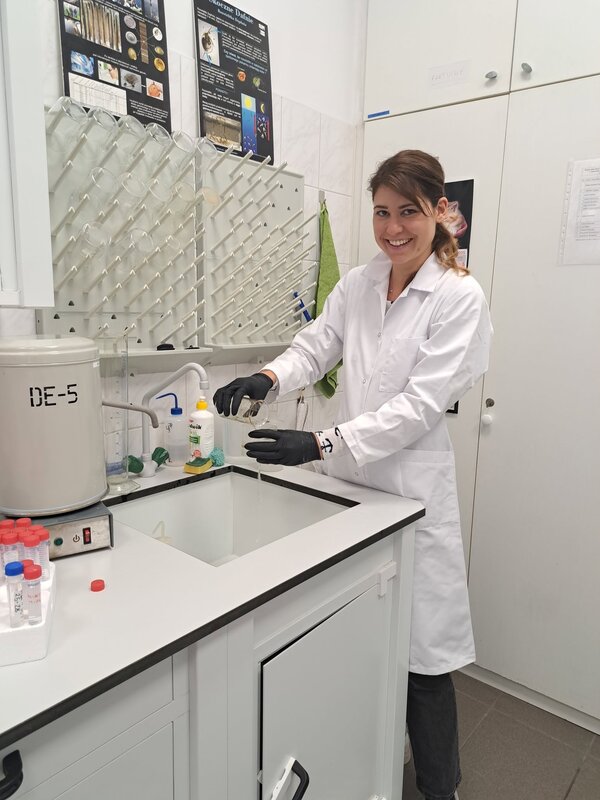
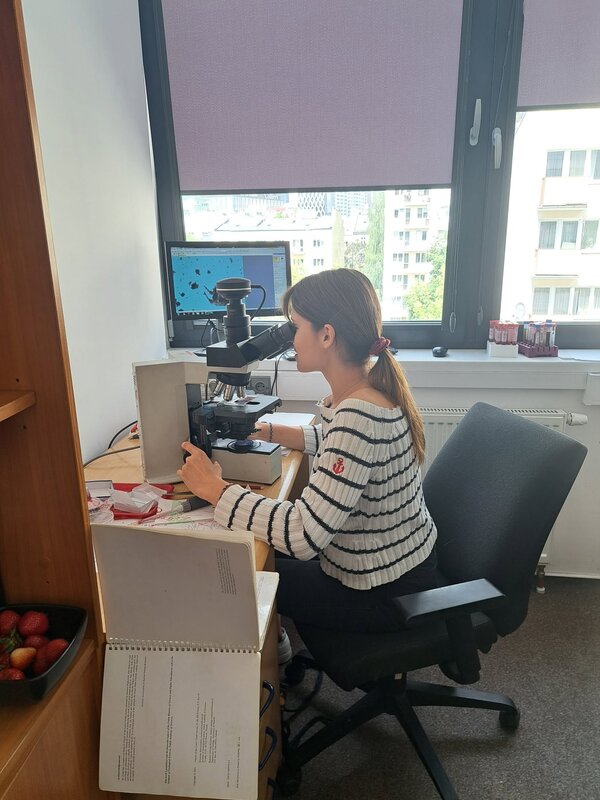
We were pleased to host Naomi Moik (Kiel University, Germany) at the Institute of Geological Sciences PAS (Research Centre in Warsaw) under the supervision of dr Marta Wojewódka-Przybył as part of the NAWA PROM Programme.
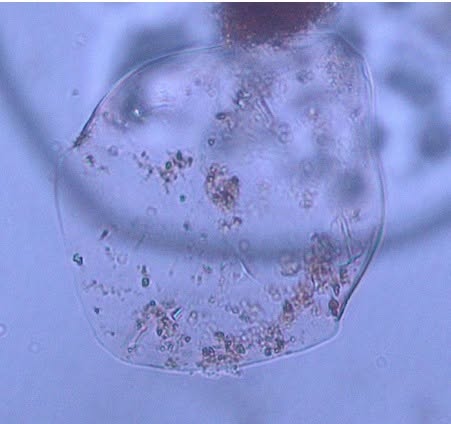
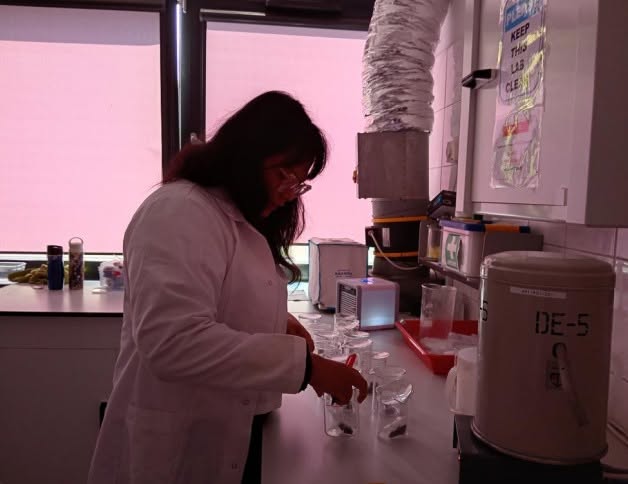
During the research mobility, Naomi participated in laboratory training focused on subfossil Cladocera preserved in lake sediments, combining sediment preparation, microscopy and taxonomic identification of material from European and tropical environments.
The programme also included SEM analyses carried out in collaboration with IGiPZ PAS and dr hab. Izabela Zawiska, as well as activities at the Stable Isotope Laboratory, providing insight into advanced methods used in paleolimnological and paleoenvironmental research.
The acquired experience will support ongoing MSc research on Lake Milagros (Mexico) and strengthen international scientific collaboration.
06/2026
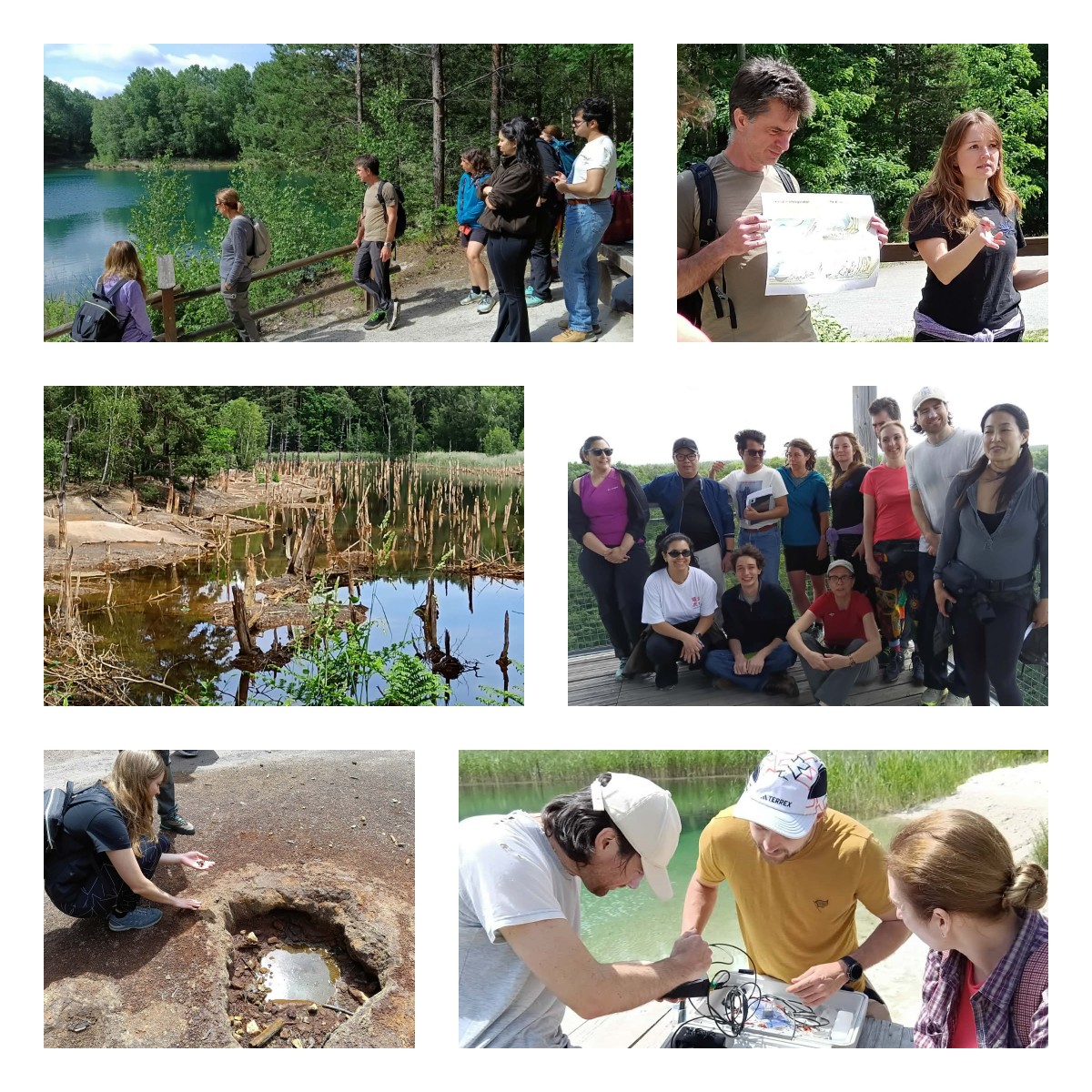
On 15–19 June, researchers from the Warsaw Research Centre of the Institute of Geological Sciences, Polish Academy of Sciences, led the workshop entitled “Identification of the Effects of Acid Mine Drainage (AMD) on Lakes and Their Neutralization Processes: An Introduction to Sampling Techniques and Analysis of Environmental Samples”, held as part of the NAWA PROM programme.
The workshop was addressed to international students and early-career researchers. Its aim was to develop participants’ knowledge and skills in identifying the impact of acid mine drainage (AMD) on lake ecosystems and understanding their neutralization processes.
The programme combined theoretical and practical components. Participants learned about the mechanisms of AMD formation, took part in fieldwork conducted on lakes, and practised proper sampling and preservation techniques for environmental samples intended for further geochemical analyses.
Participation in the workshop enabled attendees to gain practical experience in research on contemporary environmental issues and to broaden their competences in field and laboratory methods used in geological and environmental sciences.
05/2026
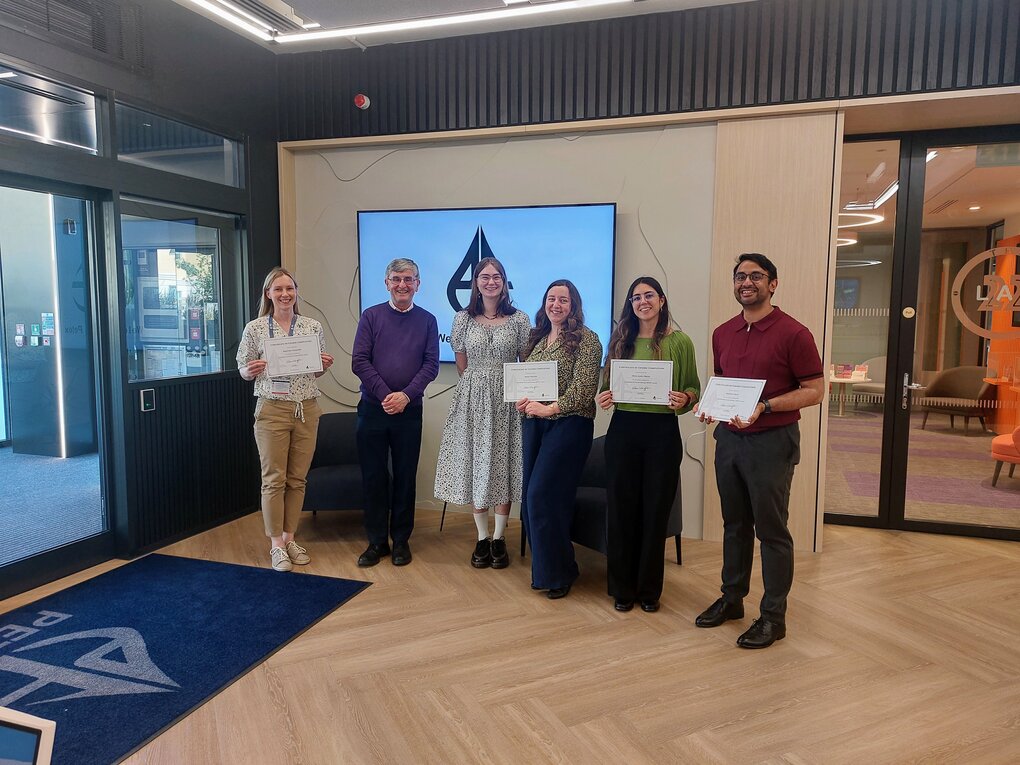
From 18 to 22 May 2026, PhD candidate Małgorzata Ponikowska participated in the specialised training course “Integrated Structural Geology – MOVE Standard Course”, organised by PE Limited (Petex) in Guildford, United Kingdom. The mobility was funded under the NAWA PROM programme, supporting the development of scientific competences and international academic mobility.
The five-day course focused on structural geology modelling using MOVE software — one of the leading tools currently applied in structural analysis, tectonic deformation modelling, and reconstruction of sedimentary basin evolution. Particular emphasis was placed on practical applications, including the construction and interpretation of 2D and 3D structural models and working with geological data.
Participation in the training enabled Małgorzata Ponikowska to develop advanced skills in structural modelling, sequential restoration, and the application of kinematic models used in tectonic deformation analysis. The knowledge and experience gained during the course will be directly applied in her ongoing scientific research.
The training also provided an opportunity to exchange experiences with participants representing scientific and industry institutions from different countries. These interactions supported the development of communication skills, strengthened international collaboration, and helped establish valuable professional connections.
05/2026
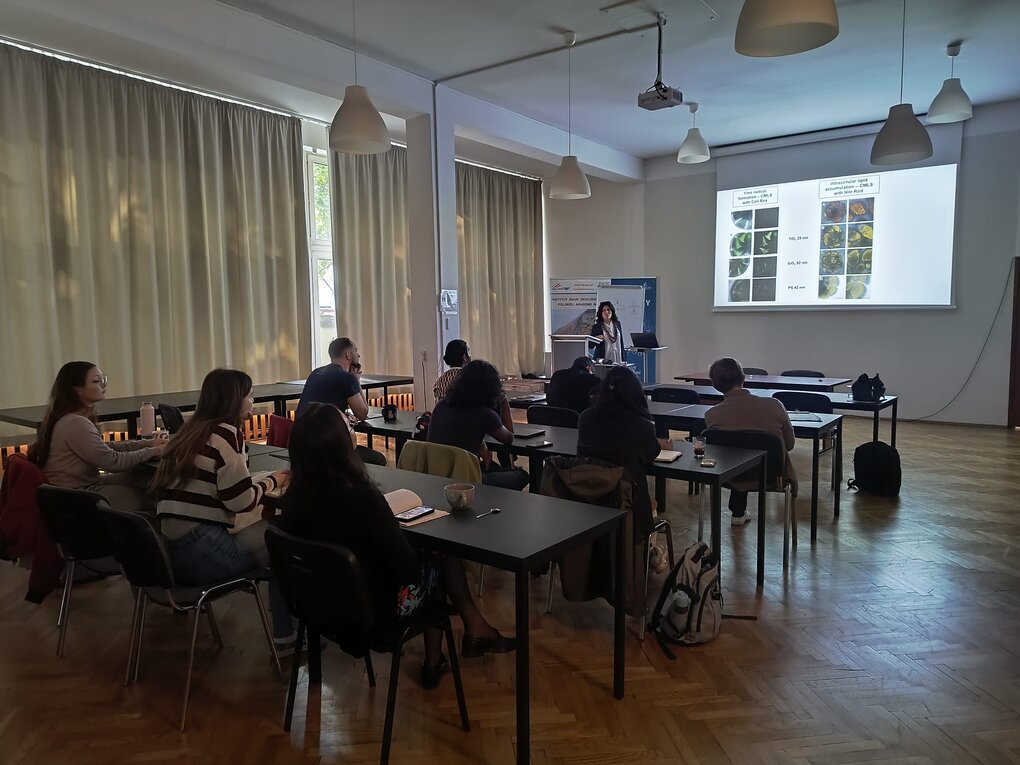
The international workshop “Cutting Edge Techniques Advancing Foraminiferal Culture Experiments” was held at the Kraków Research Centre of the Institute of Geological Sciences, Polish Academy of Sciences (ING PAN) as part of the NAWA PROM programme.
The event brought together participants interested in modern research approaches applied in foraminiferal culture experiments and created a space for intensive laboratory work and scientific exchange.
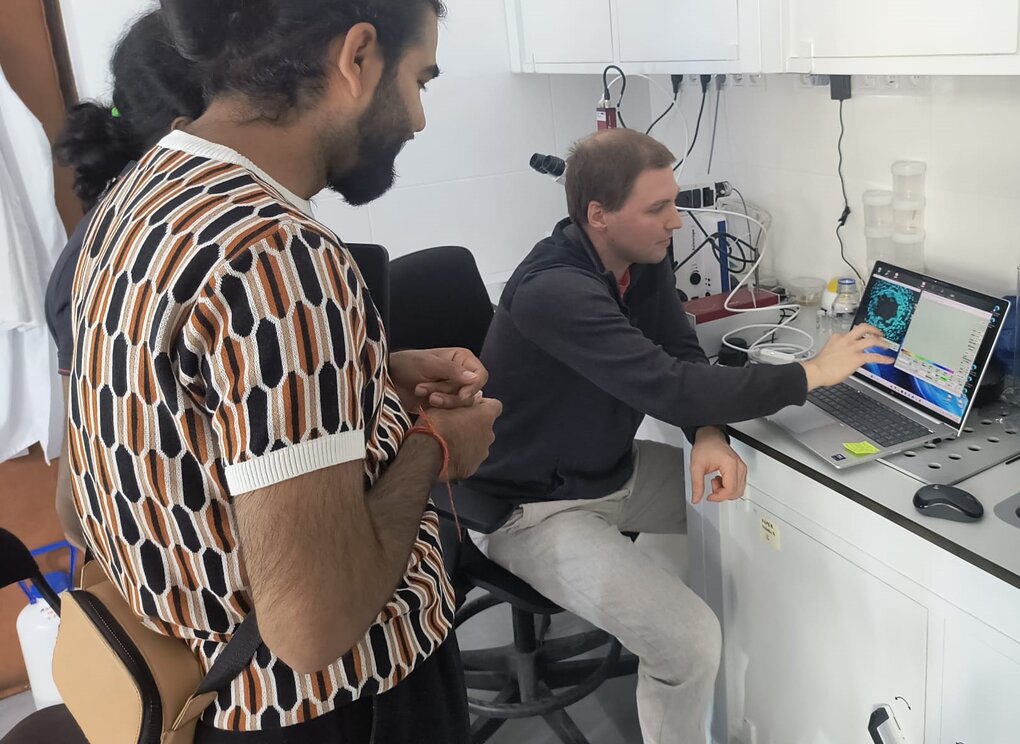
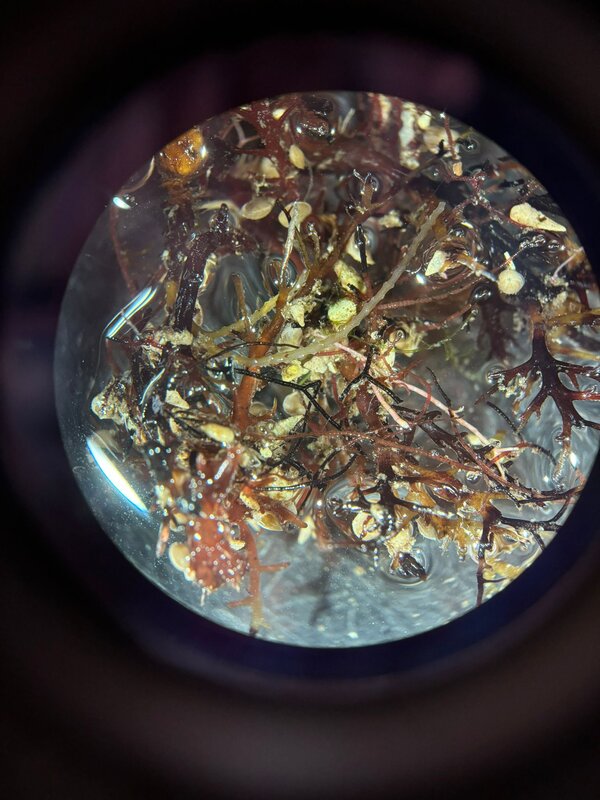
The workshop programme was strongly practice-oriented. Participants independently carried out successive stages of the research process — from the precise selection and cleaning of living specimens to configuring acquisition parameters and performing observations using the advanced Evident FluoView 4000 (FV4000) confocal microscope, as well as conducting analyses using the PAM method.
An important element of the workshop was the opportunity to work not only with material prepared by the organisers. Some participants also used their own samples, which broadened the scope of analyses and encouraged discussion on different experimental and methodological approaches.
Confocal observations were performed in the context of biomineralisation processes, the investigation of which is essential for improving our understanding of the mechanisms responsible for the formation and preservation of the fossil record.
Working with living organisms also led to unexpected observations and results. These became a starting point for scientific discussion, the formulation of new research hypotheses, and identifying potential directions for future international collaboration.
The workshop provided an opportunity not only to strengthen participants’ research competences but also to build scientific relationships and initiate future collaborative projects.
05/2026
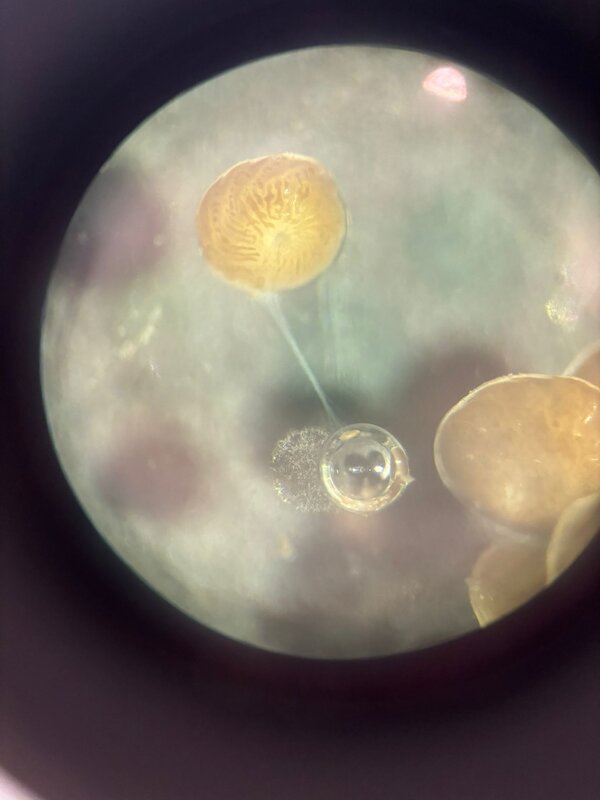
As part of the NAWA PROM mobility programme, Dr. Eng. Karolina Rybka carried out a research visit at the Department of Geosciences, BERG Faculty, Technical University of Kosice in Slovakia.
The purpose of the visit was to conduct field investigations, collect samples, and perform preliminary analyses of bentonite deposits located in eastern and central Slovakia. Thanks to its exceptional sealing and sorption properties, bentonite is considered one of the key engineering materials for deep geological repositories of radioactive waste.
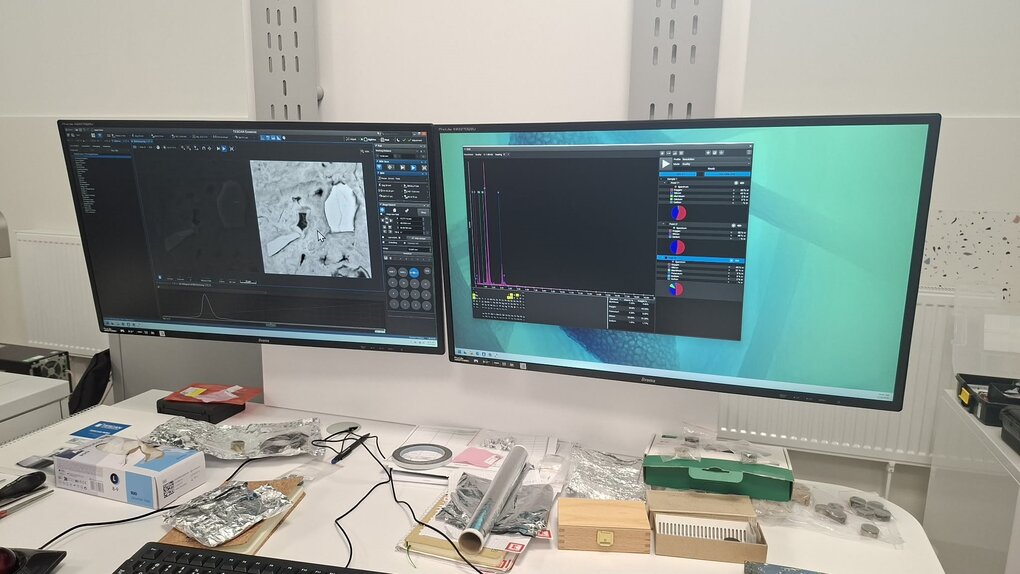
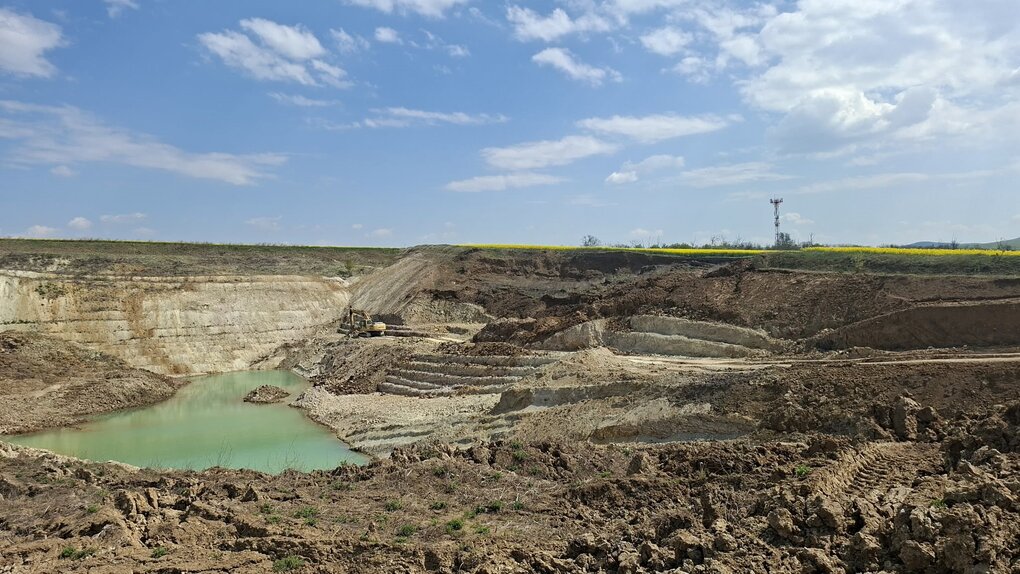
During the stay, fieldwork was carried out at the Lastovce, Lutila 1, and Jelšový Potok deposits. The collected samples underwent preliminary macroscopic analyses as well as advanced mineralogical investigations using SEM-based automated mineralogy. Further detailed characterization of the material will continue in the laboratories of IGS PAS in Krakow.
The visit resulted not only in valuable research material, but also strengthened international scientific cooperation and inspired new ideas for joint publications and future research projects.
05/2026
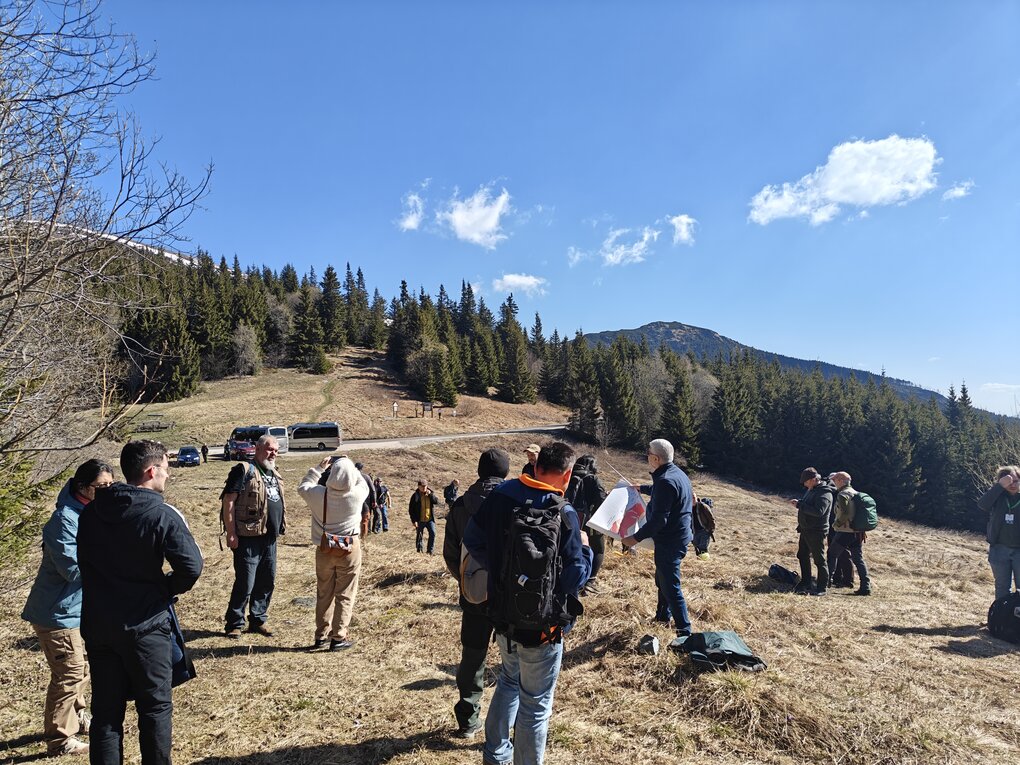
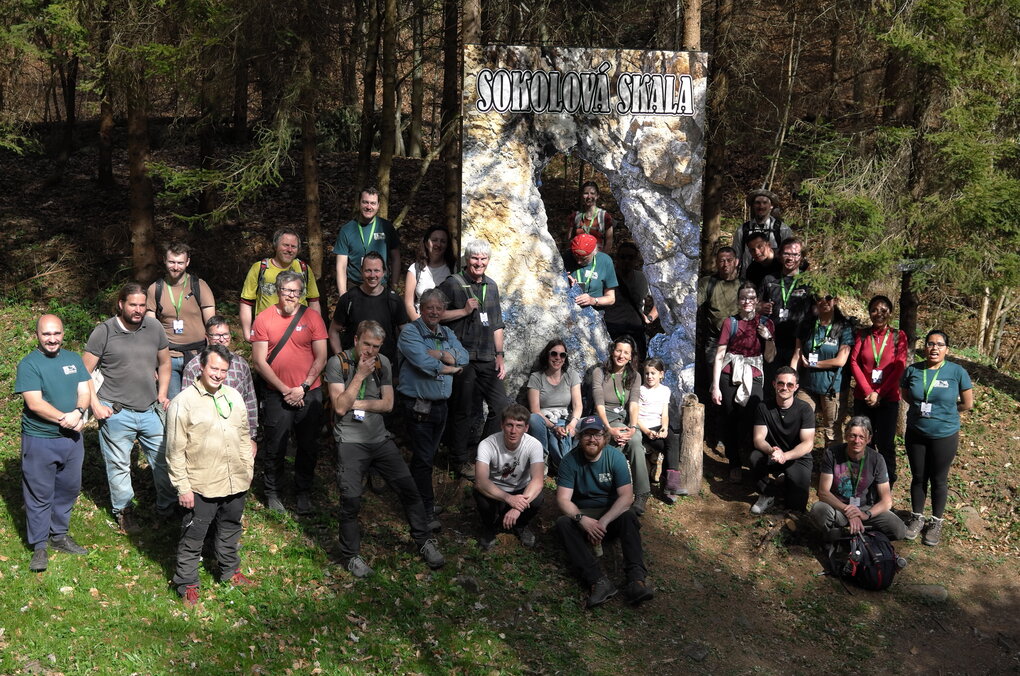
As part of the NAWA PROM mobility programme, Dr. Alosree Dey from IGS PAS participated in the 22nd Central European Tectonic Group Meeting (CETEG 2026) held in Stará Lesná, Slovakia, where she presented her research on the tectono-metamorphic evolution of the Tso Morari Crystallines in the NW Himalaya.
The conference provided an inspiring platform for scientific discussions on tectonics, structural geology, metamorphism, and geodynamics, bringing together researchers from across Central Europe and beyond. Through poster presentations, networking, and interdisciplinary exchange, the meeting offered an excellent opportunity to gain new perspectives on orogenic processes and comparative tectonic systems.
Participation in CETEG 2026 broadened research perspectives, strengthened ongoing scientific work carried out at IGS PAS, and opened opportunities for future international collaborations and exchange of expertise.
05/2026
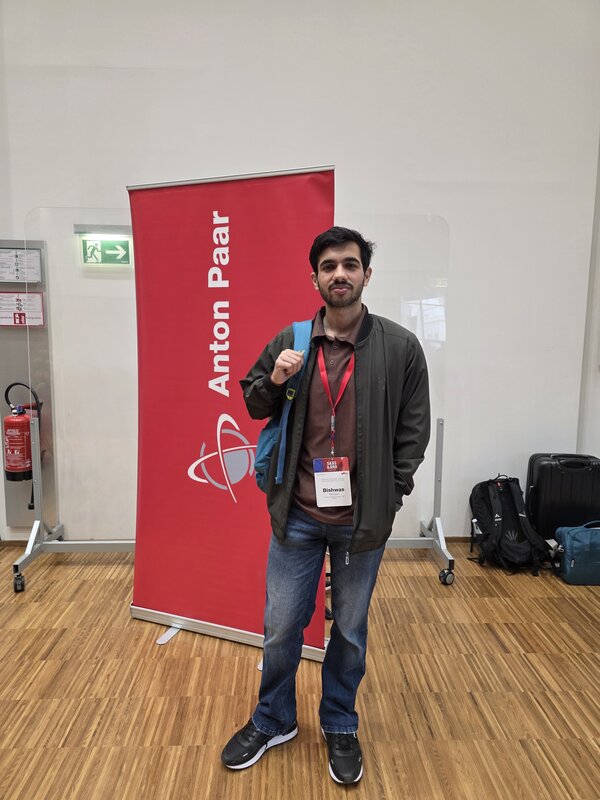
Our PhD student, Bishwas Nautiyal, had the opportunity to participate in the "SAXS and XRD Excites Symposium" at TU Graz, organized in cooperation with Anton Paar, thanks to his involvement in the NAWA PROM project carried out at our institute. ✨
During the symposium, he gained valuable knowledge and practical experience in advanced analytical techniques such as SAXS and non-ambient XRD, widely used to investigate the structure and properties of materials under various environmental conditions.
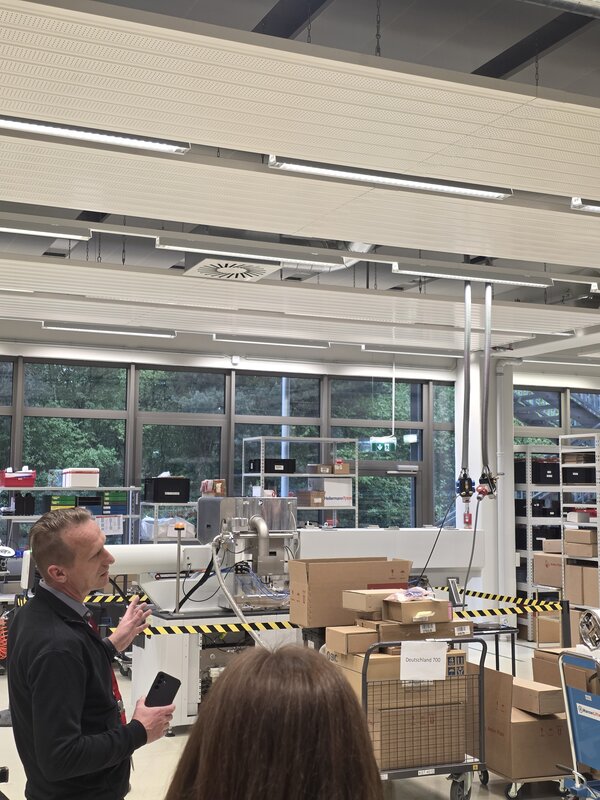
A particularly inspiring part of the programme was the visit to Anton Paar, where participants had the opportunity to explore the design and manufacturing processes behind modern analytical instruments.
The symposium also created an excellent environment for meeting researchers from different scientific disciplines, exchanging experiences, and learning about the broad range of applications of these techniques across diverse research areas. 🌍🤝
Participation in initiatives like this highlights the important role of international mobility programmes such as NAWA PROM in supporting the development of young researchers, strengthening research competencies, and fostering international scientific collaboration
g
04/2026
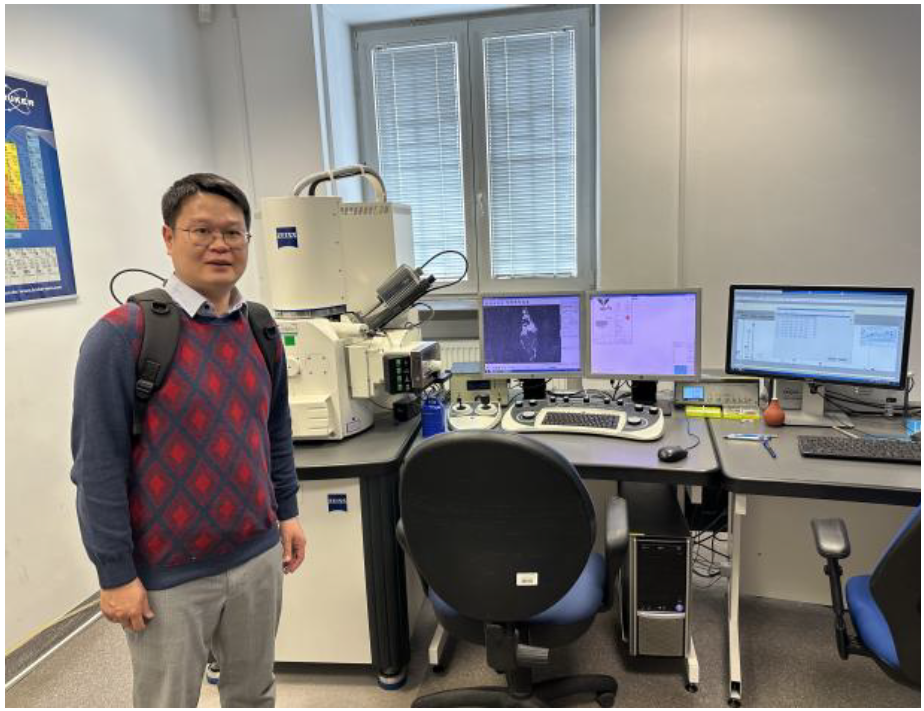
At the end of April, a short-term academic mobility took place at the Institute of Geological Sciences of the Polish Academy of Sciences under the PROM NAWA programme.
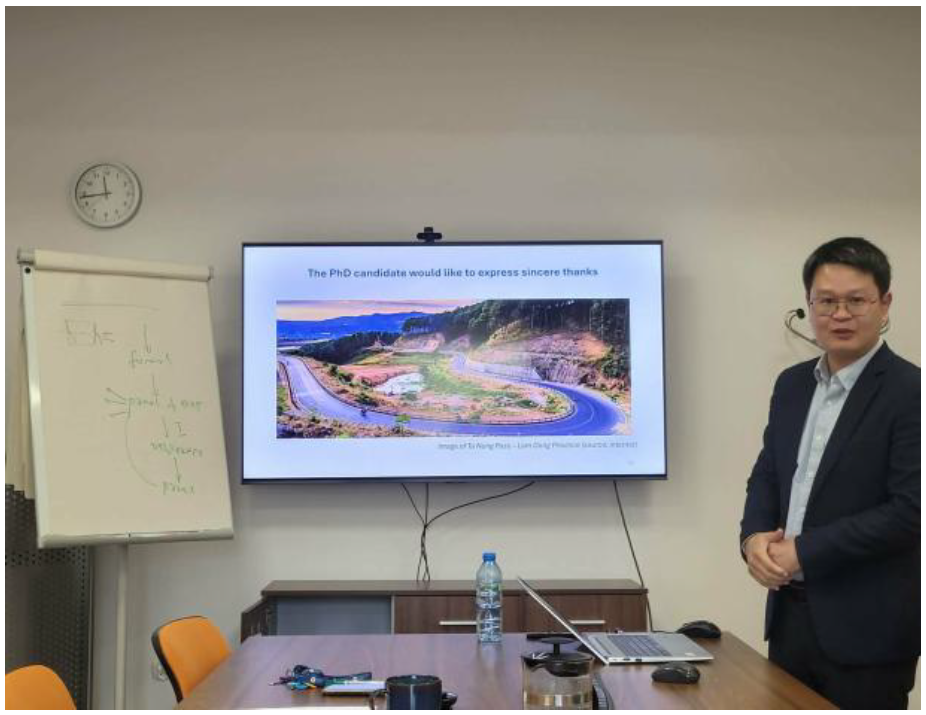
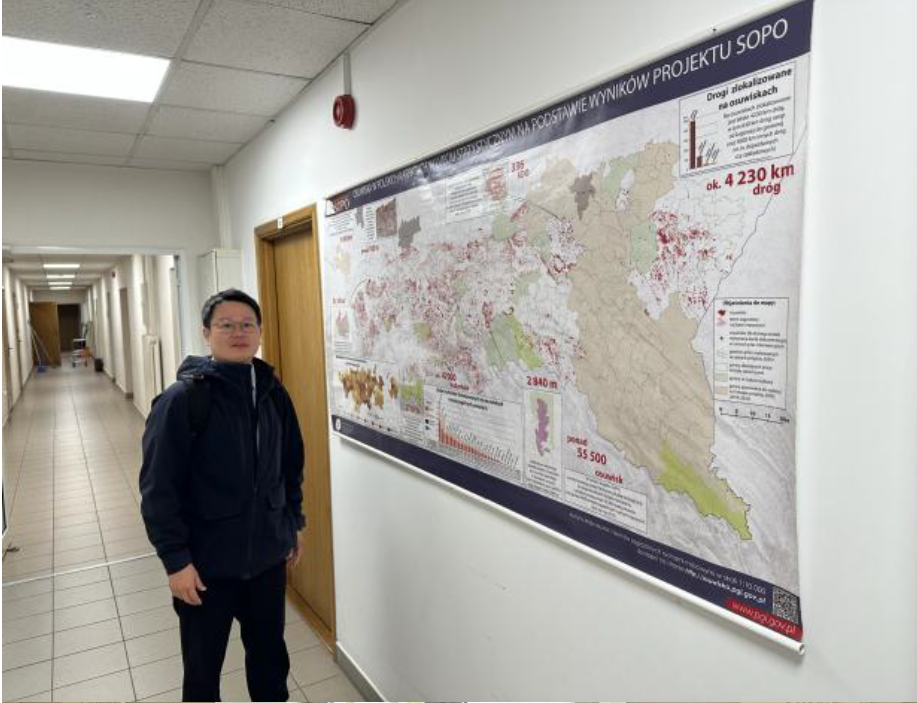
The Institute hosted a PhD student from the Vietnam Academy of Science and Technology – Nguyen Viet Tien, who developed competencies in landslide hazard and risk assessment.
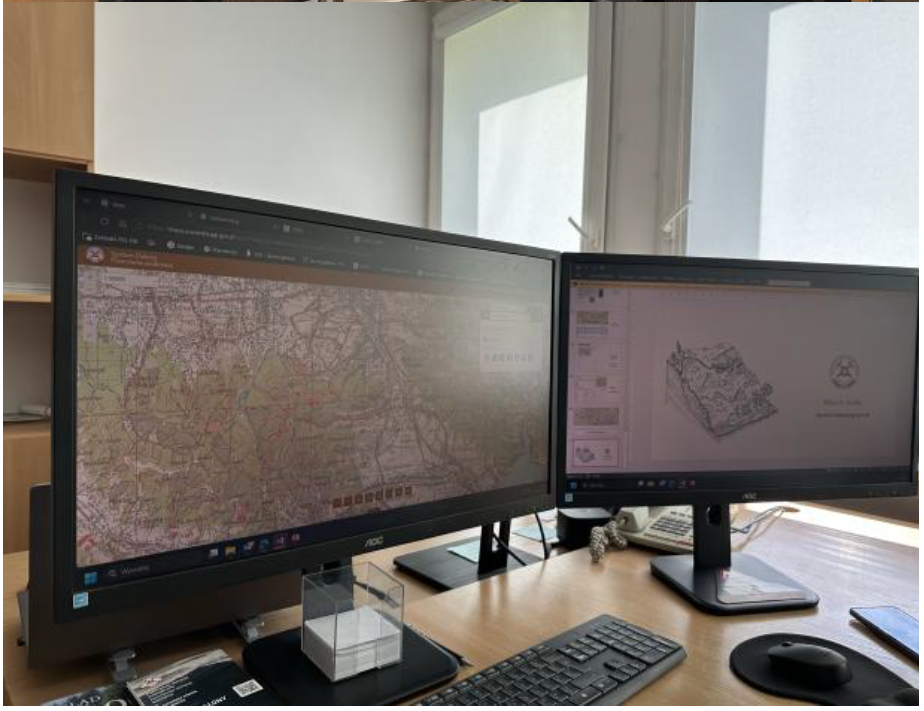
The programme included spatial data analysis, work with the SOPO landslide inventory database, as well as participation in scientific discussions and seminars.
The mobility was carried out in cooperation with partners from the Polish Geological Institute – NRI.
The visit contributed to knowledge exchange and strengthened international collaboration in geological hazard research.
🤝 We thank all partners for their commitment and joint efforts in advancing international scientific cooperation.
04/2026
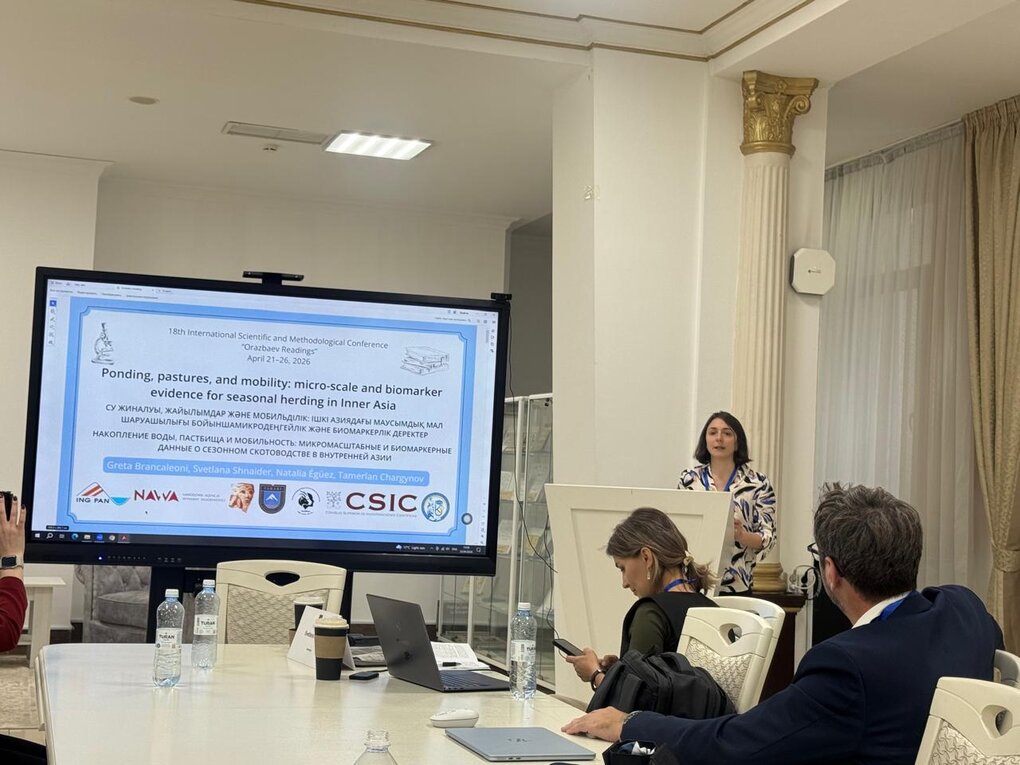
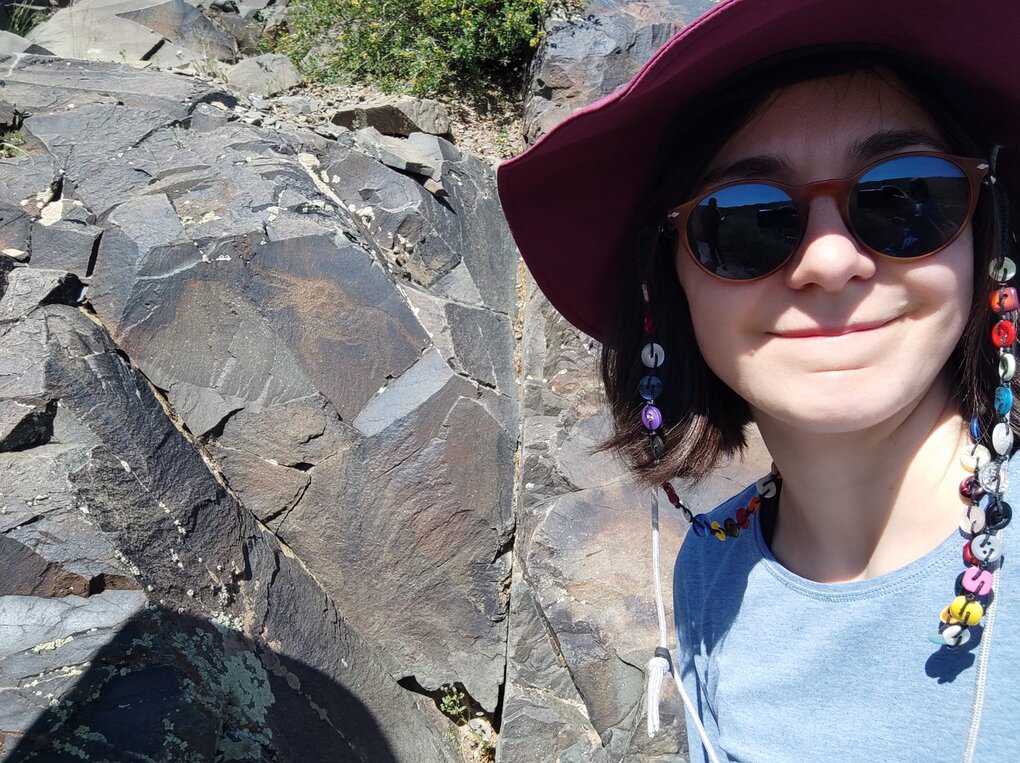
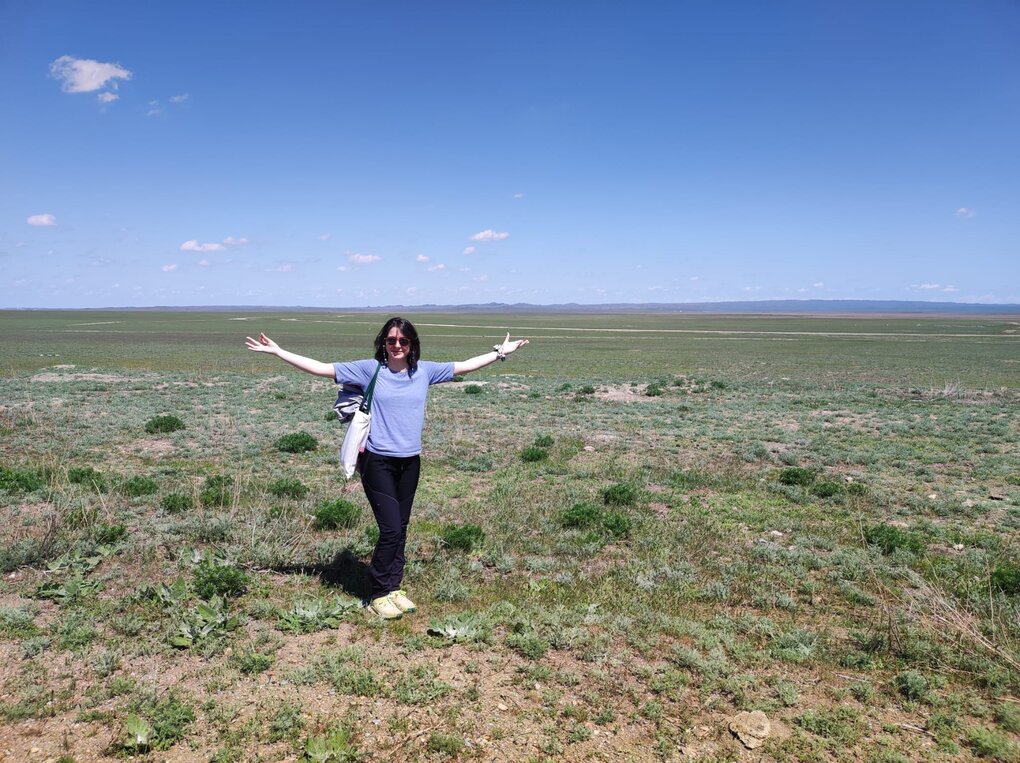
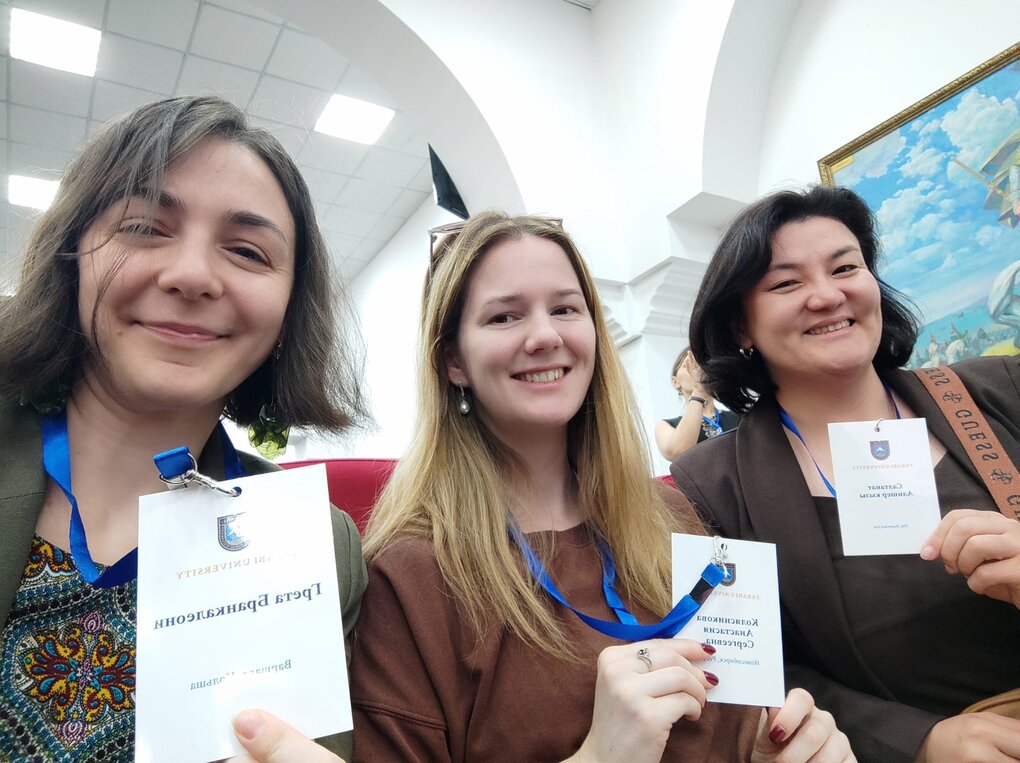
Dr. Greta Brancaleoni (IGS PAS) recently took part in the 18th International Scientific and Methodological Conference “Orazbaev Readings” in Almaty, thanks to the NAWA-PROM mobility project.
At the conference, she shared exciting new findings from the Surungur Rockshelter (Kyrgyzstan), shedding light on ancient agropastoral communities and how they adapted to water scarcity in arid environments. Her work connects climate, landscape, and human survival in fascinating ways.
Beyond presenting, Dr. Brancaleoni also attended cutting-edge talks spanning archaeology, geoarchaeology, and ancient DNA research from across Central Asia—highlighting just how dynamic this field has become.
The journey didn’t stop there! The second phase of her mobility included collaborative research at the Archaeozoological Center “MIL ZOOSTAN” (CNRS–KAZNU) in Almaty, working alongside Dr. Svetlana Shnaider under the supervision of Dr. William Rendu.
International collaboration, new discoveries, and fresh perspectives—this is science in action!
04/2026
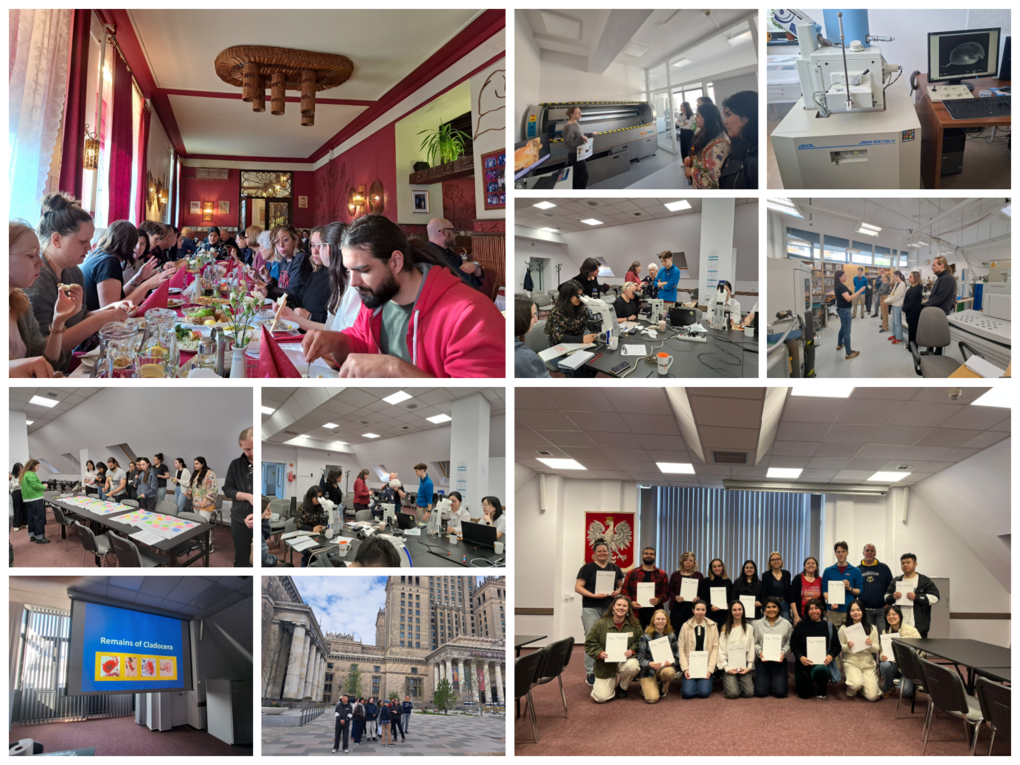
From 20–24 April, the Research Centre in Warsaw at the Institute of Geological Sciences, Polish Academy of Sciences hosted the international workshop “Introduction to Subfossil Invertebrates from Lake Sediments – a laboratory-based school”, bringing together participants from Europe, Asia, and the Americas.
Over five days, participants explored the world of microscopic organisms living in lakes—such as Cladocera (water fleas) and Rotifera (rotifers)—and learned how their remains preserved in sediments can be used to reconstruct past environmental and climate changes.
The workshop had a strongly practical focus.
Participants worked with lake sediment samples, prepared material for analysis, and examined it under the microscope, gaining hands-on experience in identifying organisms and interpreting results.
The programme also included elements of teamwork and integration, fostering exchange of experiences and building international scientific connections.
During the workshop, participants had the opportunity to explore the Institute’s research facilities and visit the Stanisław Leszczycki
The final day was dedicated to discussions and wrap-up sessions.
The workshop concluded with a certificate ceremony, followed by a walk through the Warsaw Old Town.
It was an intensive and inspiring week, combining scientific learning with international collaboration.
Thank you!
03/2026
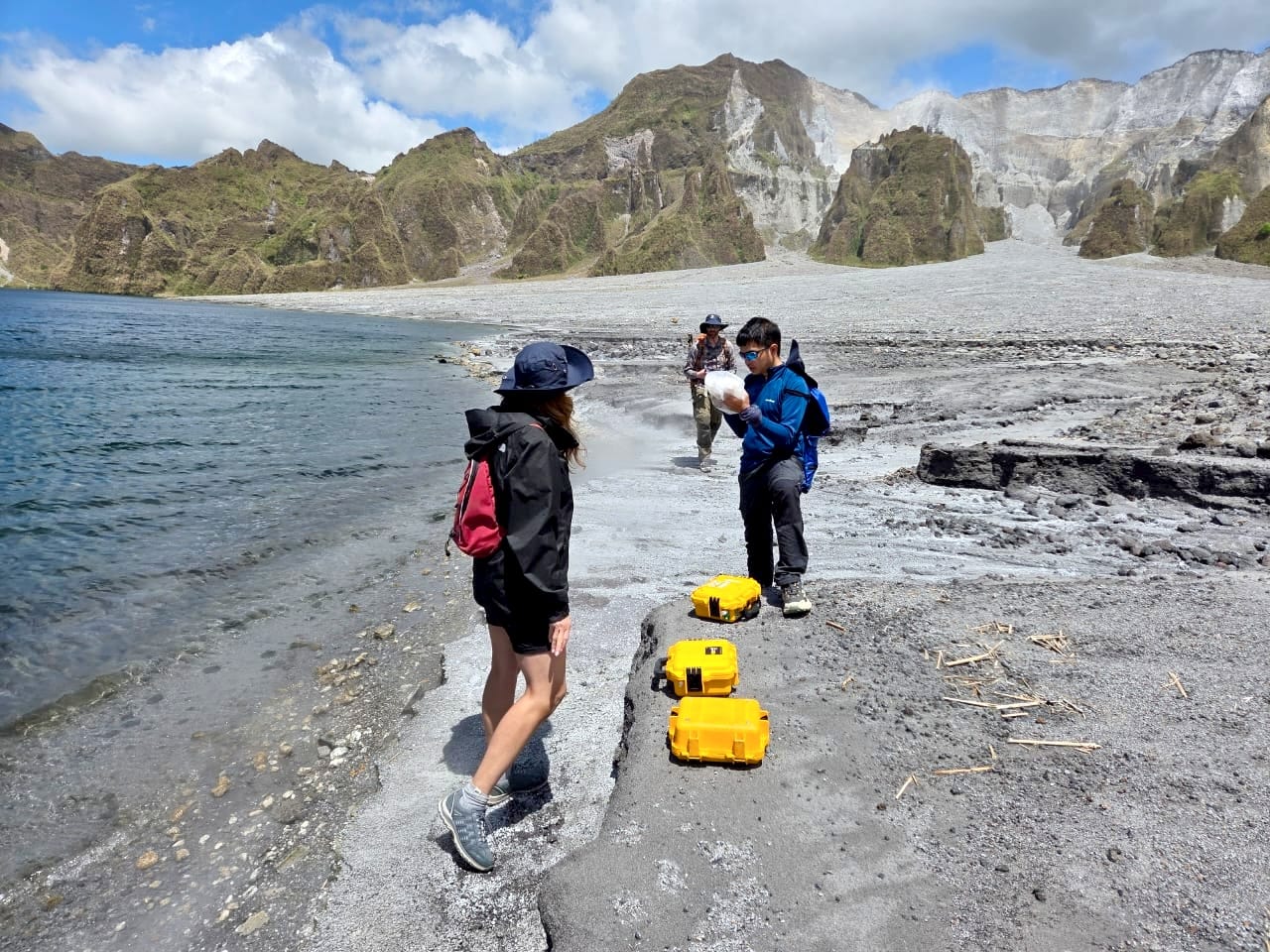
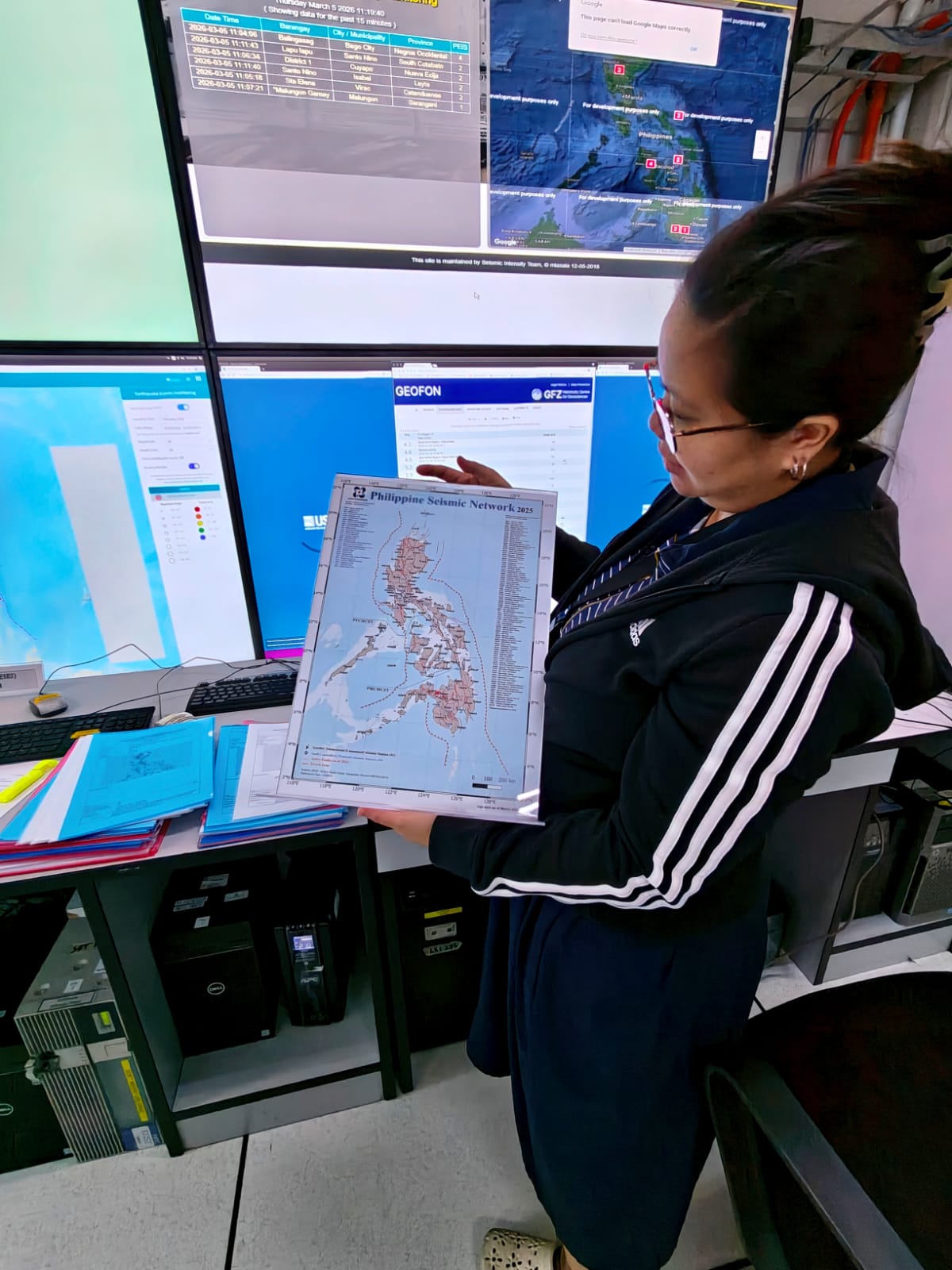
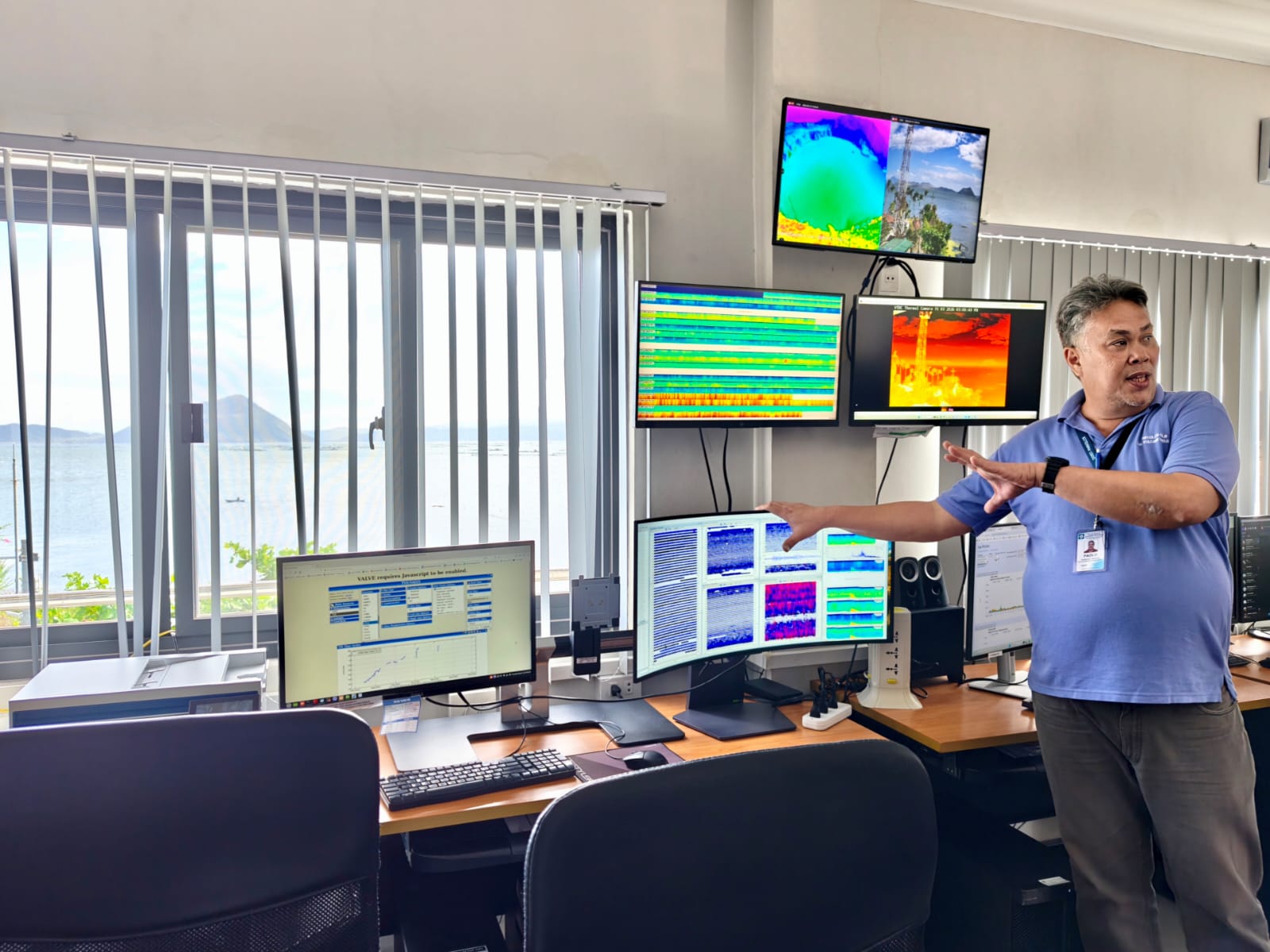
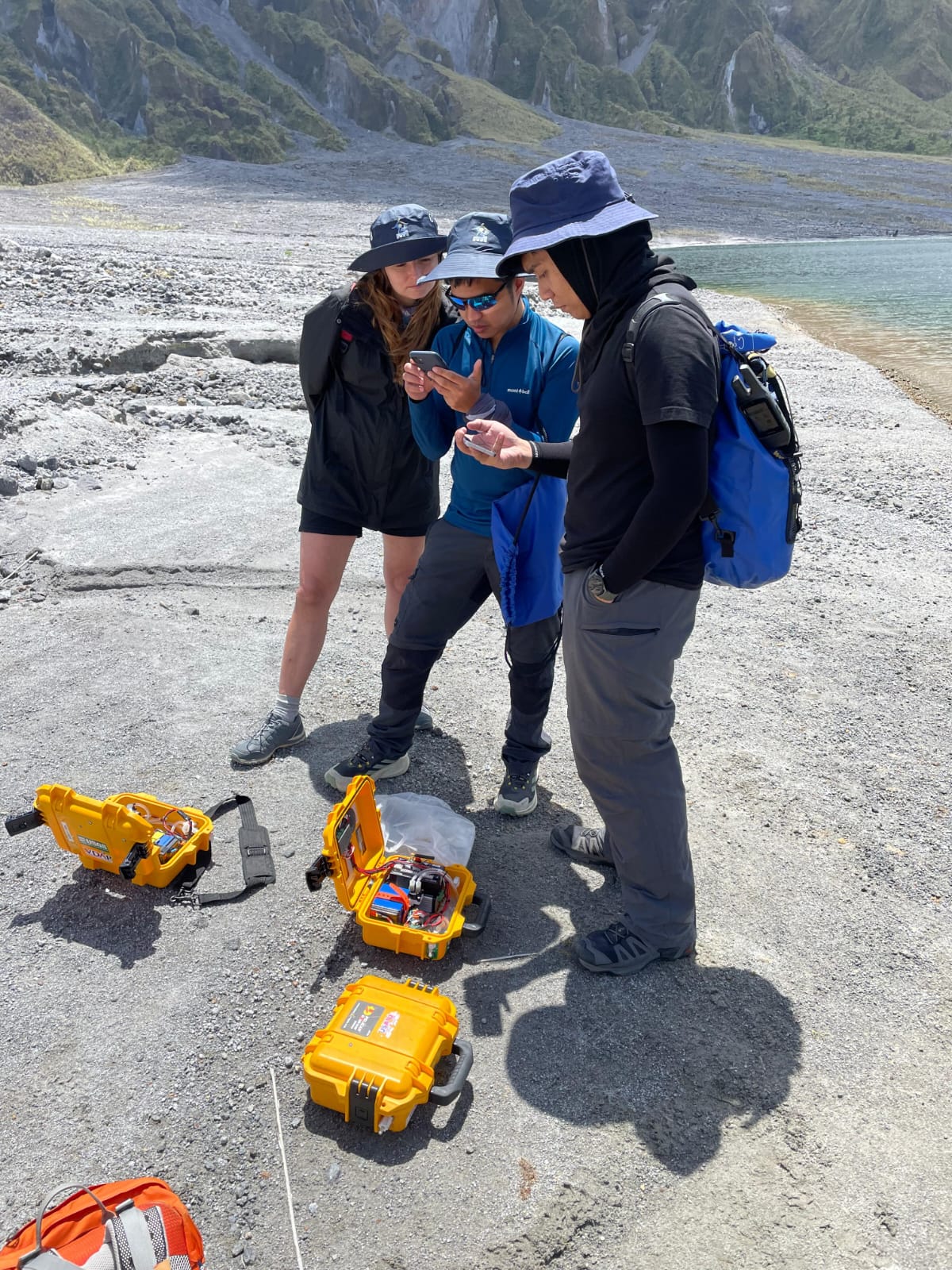
In March 2026, Dr. Ilona Sekudewicz carried out a research visit at the Department of Science and Technology (DOST) of the Philippine Institute of Volcanology and Seismology (PHIVOLCS) in Manila.
As part of the visit, she also participated in the international scientific workshop “12th Commission on Volcanic Lakes (CVL-12)”, held in Clark.
During the workshop, she presented a poster: “Sorption-driven metal immobilization: linking geochemical transitions to water pH changes”
The mobility aimed to:
The visit provided an opportunity to build international research connections and laid the foundation for long-term collaboration between ING PAN and partners in the Philippines.
02/2026
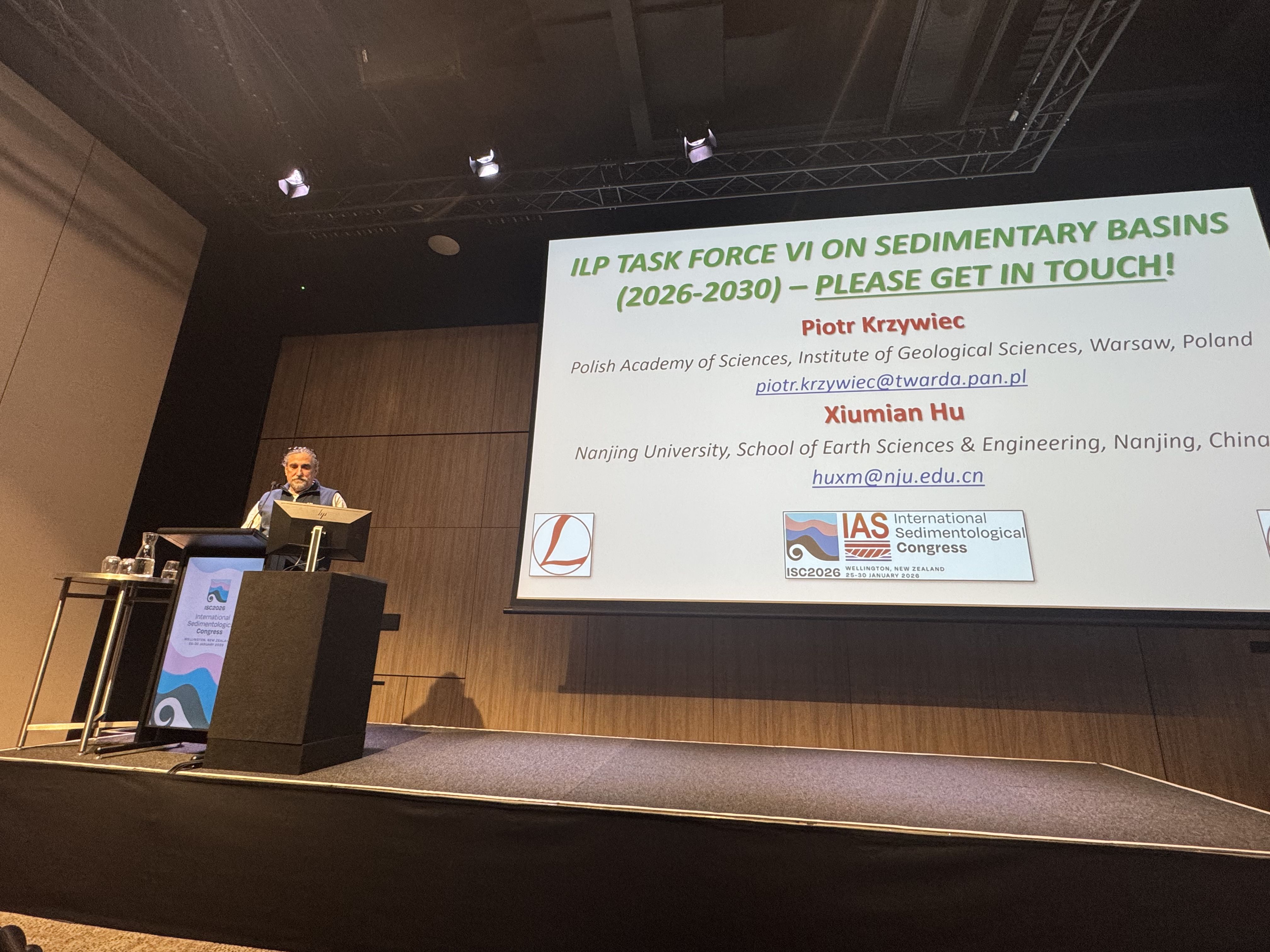
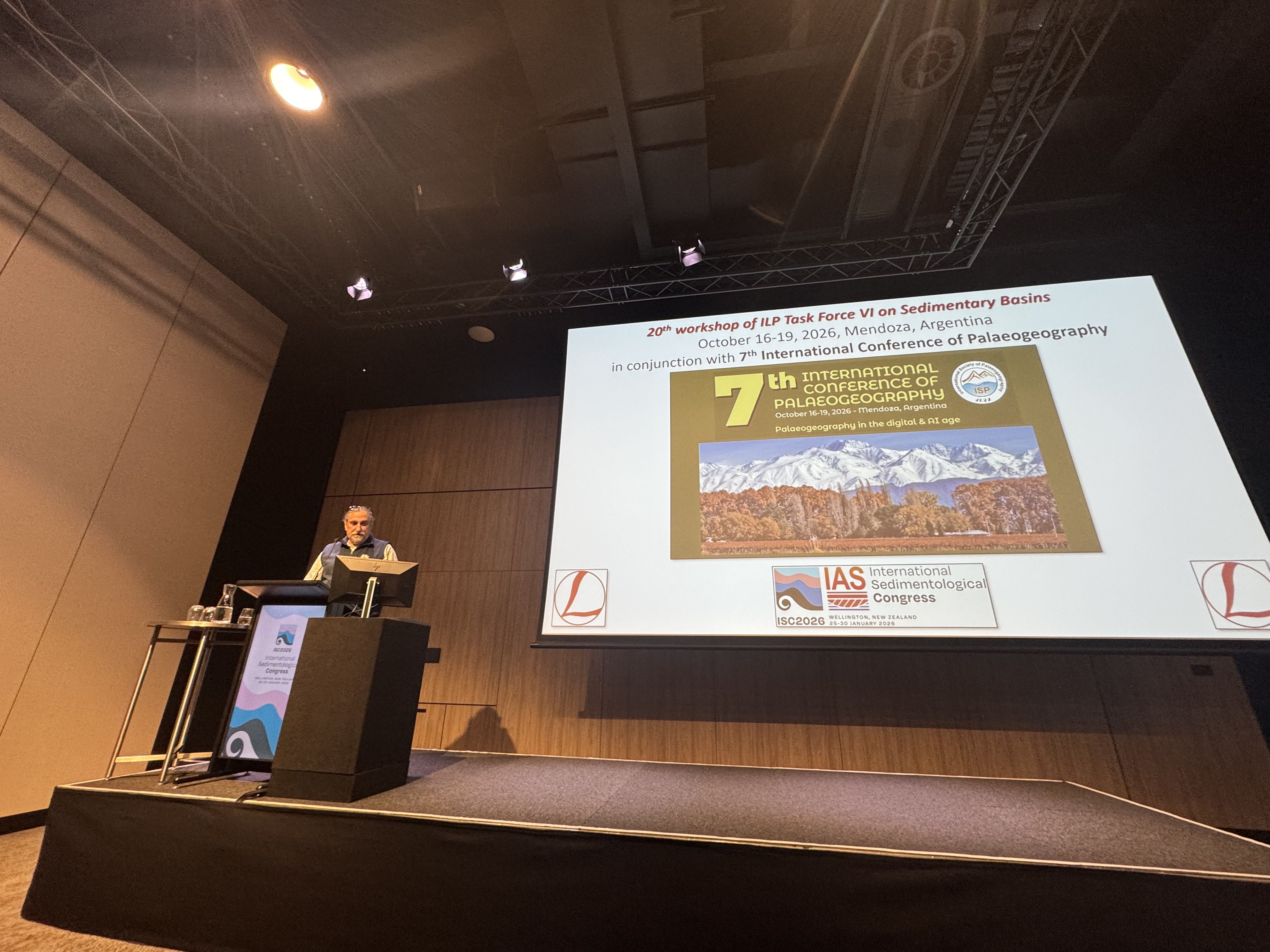
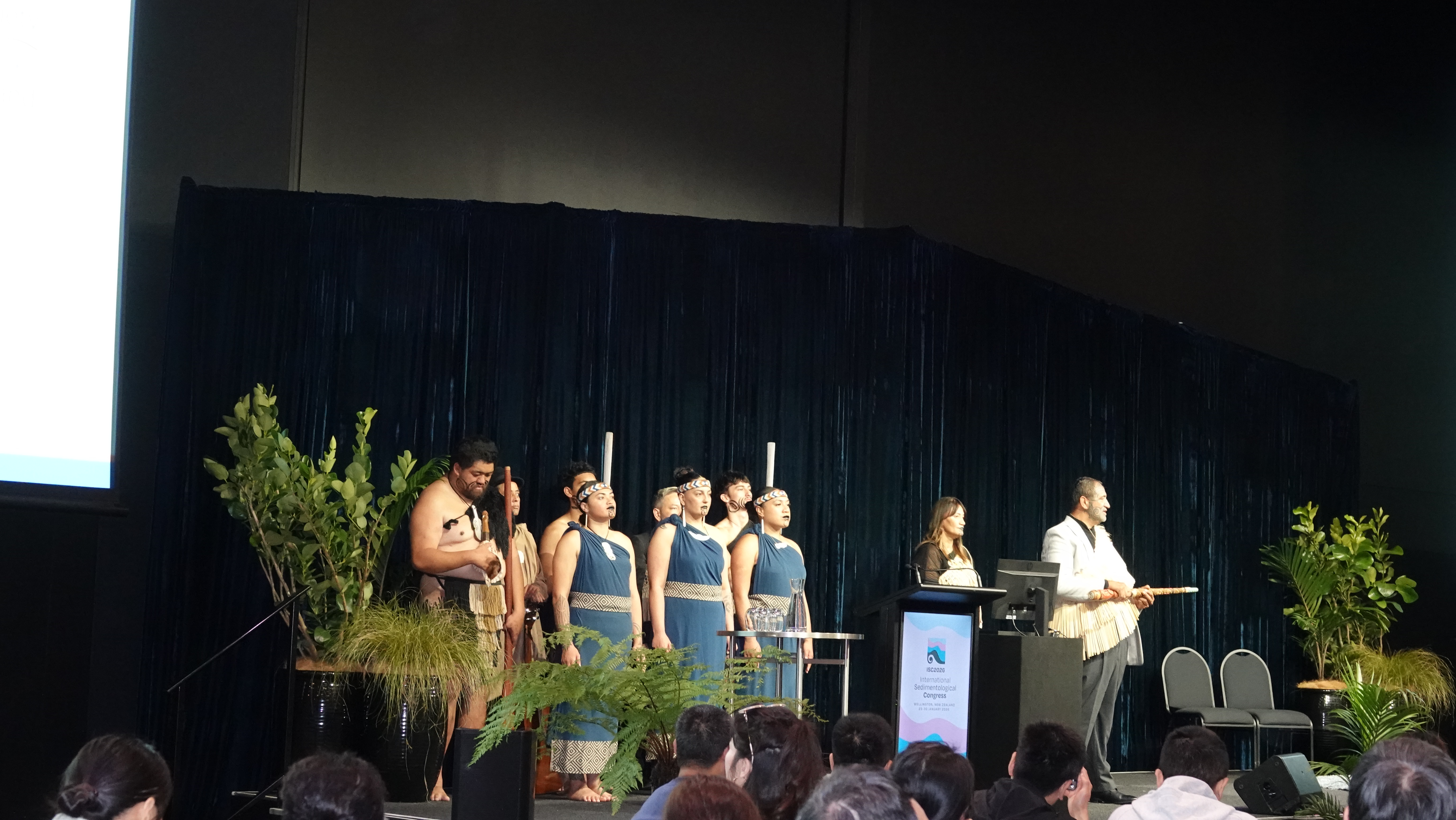
Prof. Piotr Krzywiec participated in the International Sedimentological Congress held in Wellington, New Zealand, bringing together leading sedimentology researchers from around the world.
During the congress, results of research conducted within the SeisSed research group at ING PAN were presented:
🔹 “Upper Cretaceous contourites within the Polish Basin – unique example of widespread inversion-related along-slope deposition in a tectonically active intracontinental setting” (oral presentation)
🔹 “Late Cretaceous bottom-current system along the East African transform margin” (poster; co-authored)
Both contributions were part of the session “Downslope and along slope deep marine processes – Contourites and Mixed Depositional Systems”.
The congress provided an important platform for strengthening international collaboration, including discussions with The Drifters research group. Planned joint activities, including research visits, will further expand the scope of studies carried out at ING PAN.
Research on contourites has not only fundamental scientific importance but also practical applications, as these deposits may serve as potential reservoirs for geothermal waters and play a role in CO₂ sequestration.
In addition, Prof. Krzywiec presented the objectives of the upcoming 2026–2030 term of the International Lithospheric Program Task Force VI “Sedimentary Basins”, which he recently assumed leadership of.
02/2026
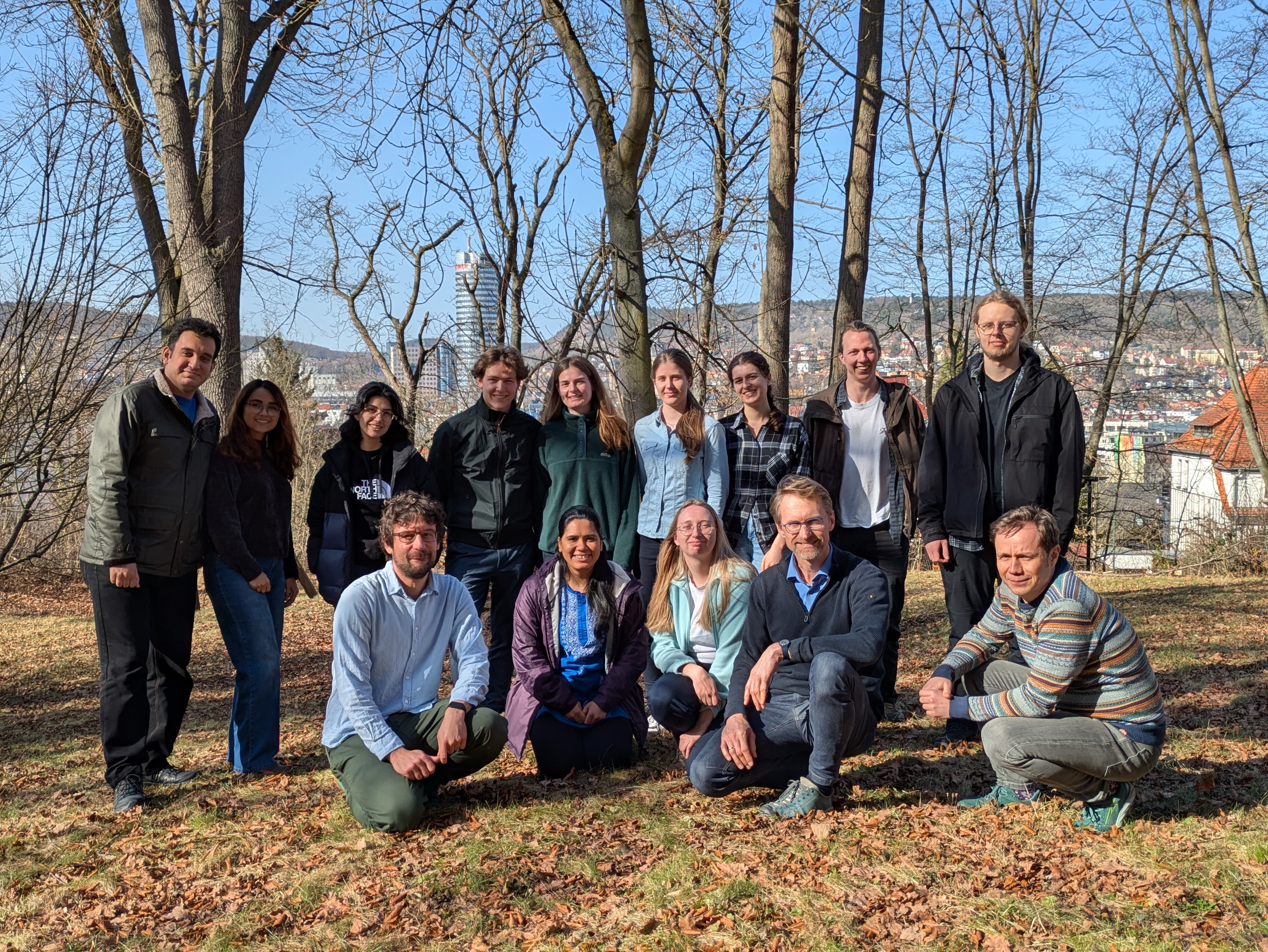
PhD student Ali Nasiri participated in the Balanced Cross Sections course at Friedrich Schiller University Jena (23–27 February 2026), organized within the NAWA PROM Programme.
The course focused on advanced methods in structural geology and tectonics, combining theoretical lectures with hands-on exercises in constructing and restoring geological cross sections.
Participants developed practical skills in:
The course brought together an international group of researchers and students, creating a dynamic environment for scientific exchange and collaboration.
Beyond the academic programme, the visit also provided an opportunity to experience Jena and strengthen international connections.
02/2026
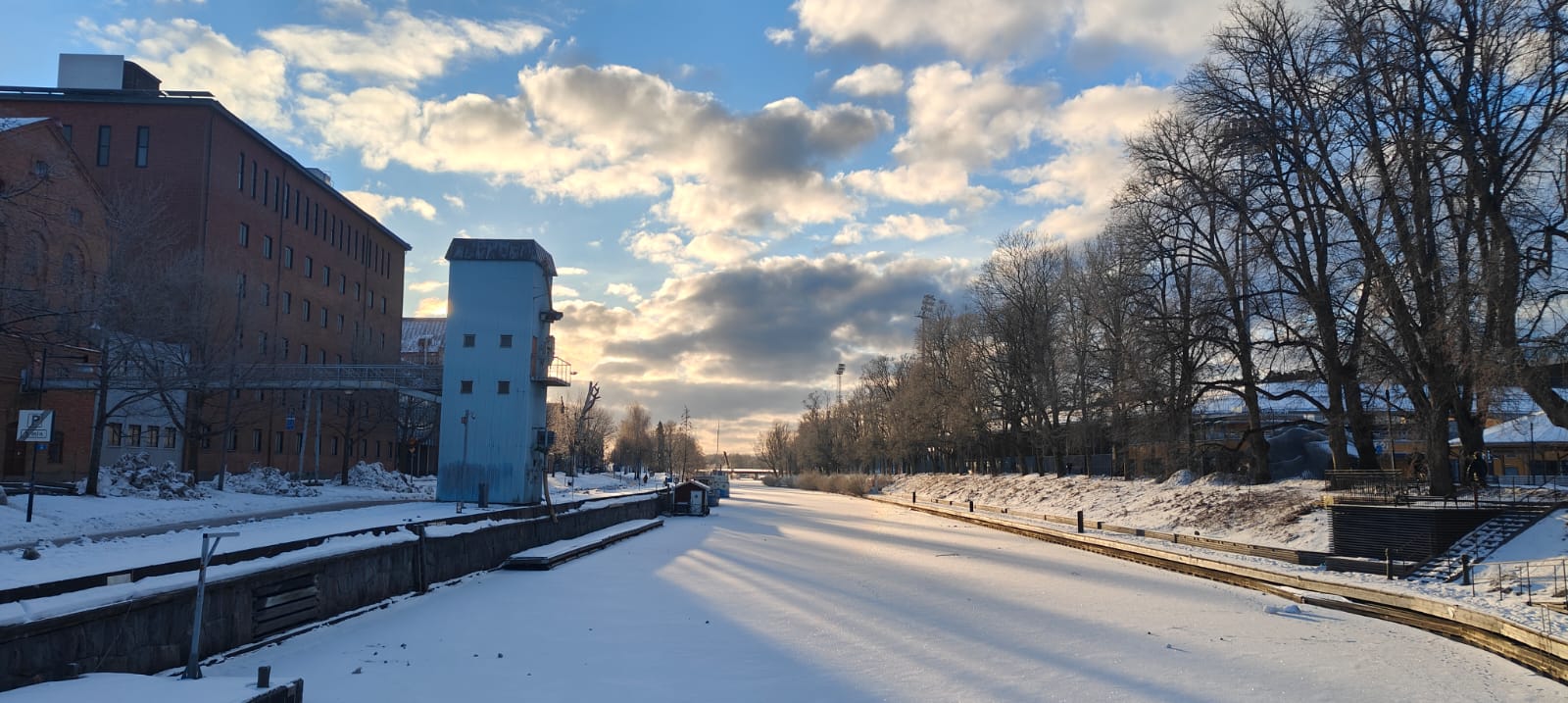
PhD Candidate Tanishka Soni took part in a training at Uppsala University, where she developed methods for analyzing seismic data from the Western Carpathians.
During the visit, she worked on seismic velocity models and further developed her skills in inversion methods and geophysical data interpretation.
The visit strengthened international collaboration and laid the foundation for future research.
It was also an opportunity to explore Uppsala – a city with a rich academic heritage.
02/2026
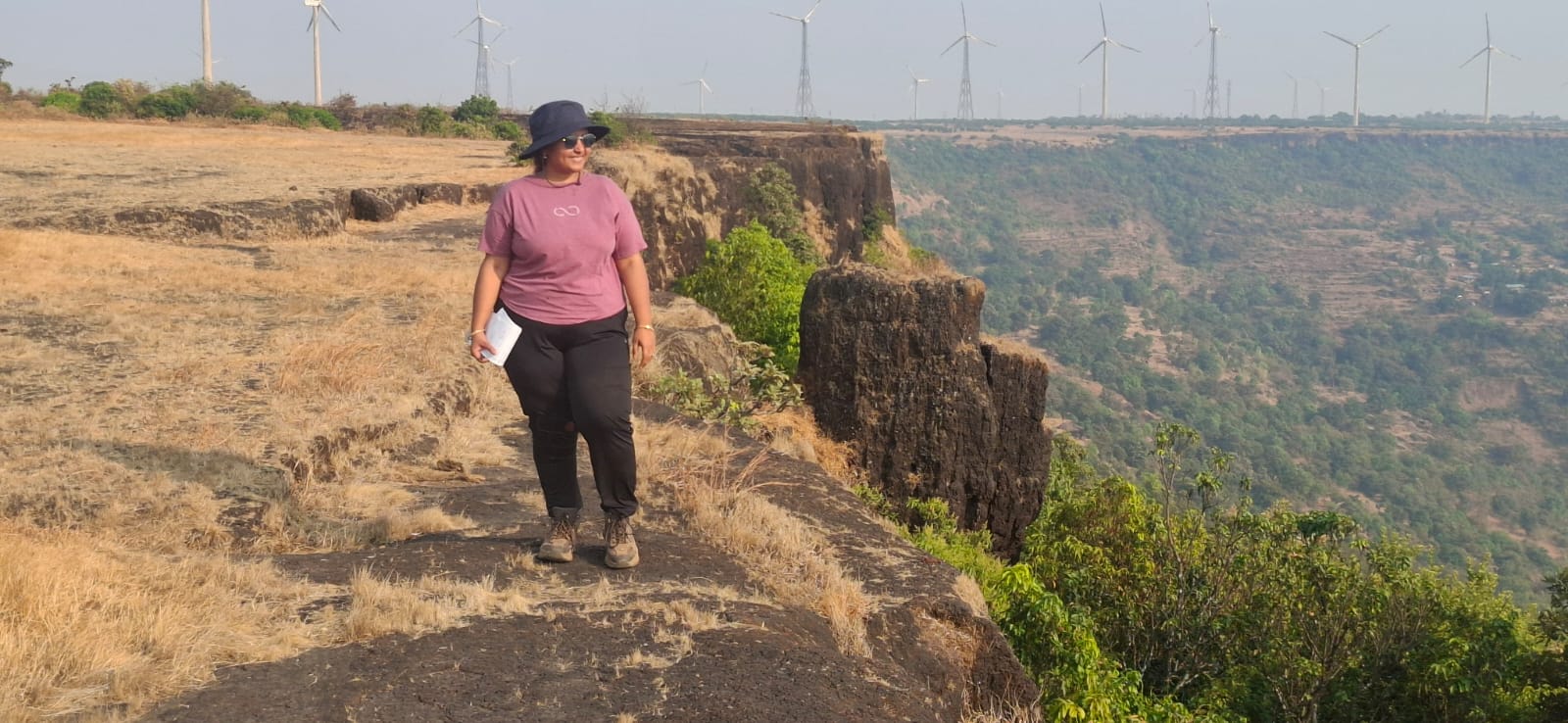
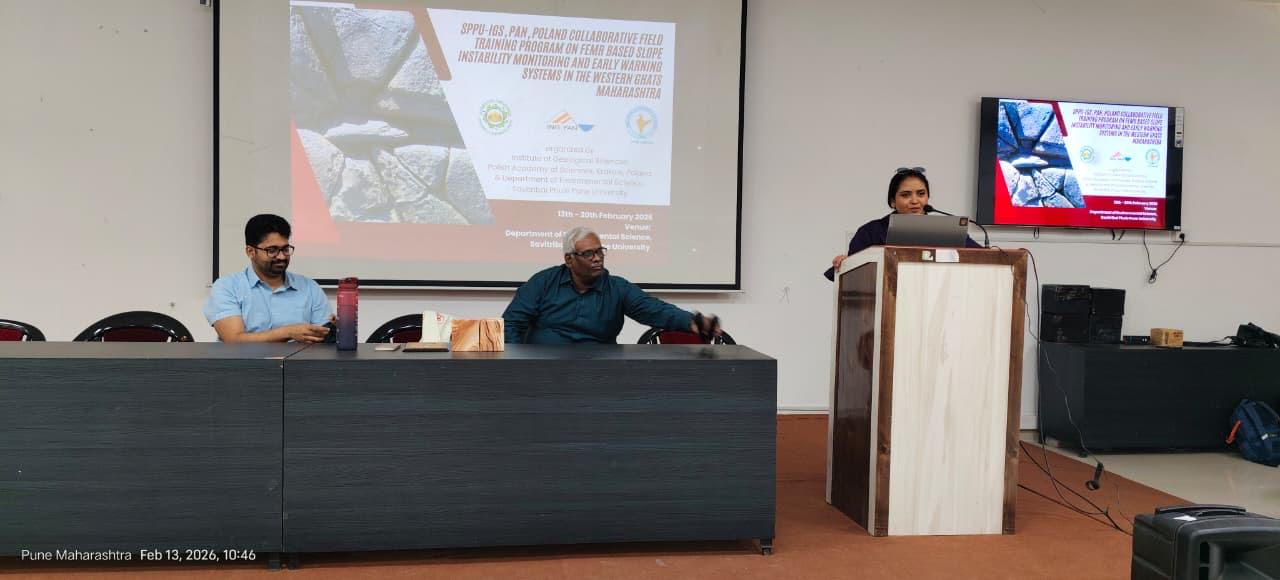
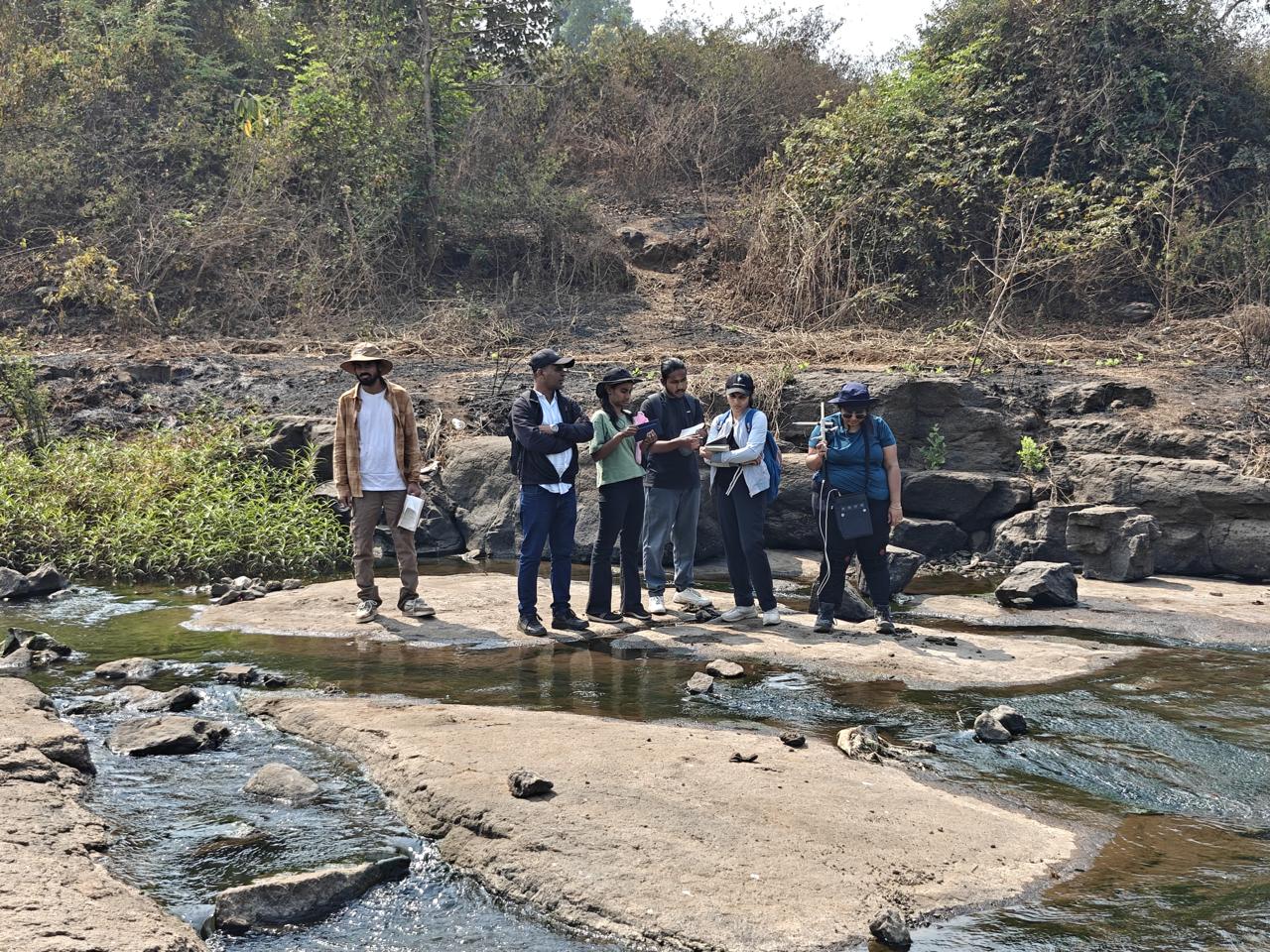
In February 2026, Dr Shreeja Das carried out a research visit in the Western Ghats (India), funded under the NAWA-PROM programme.
The main objective of the visit was to conduct field investigations in landslide-prone areas and to advance the application of the innovative FEMR (Fracture-Induced Electromagnetic Radiation) method for identifying near-surface fractures.
Scope of work included:
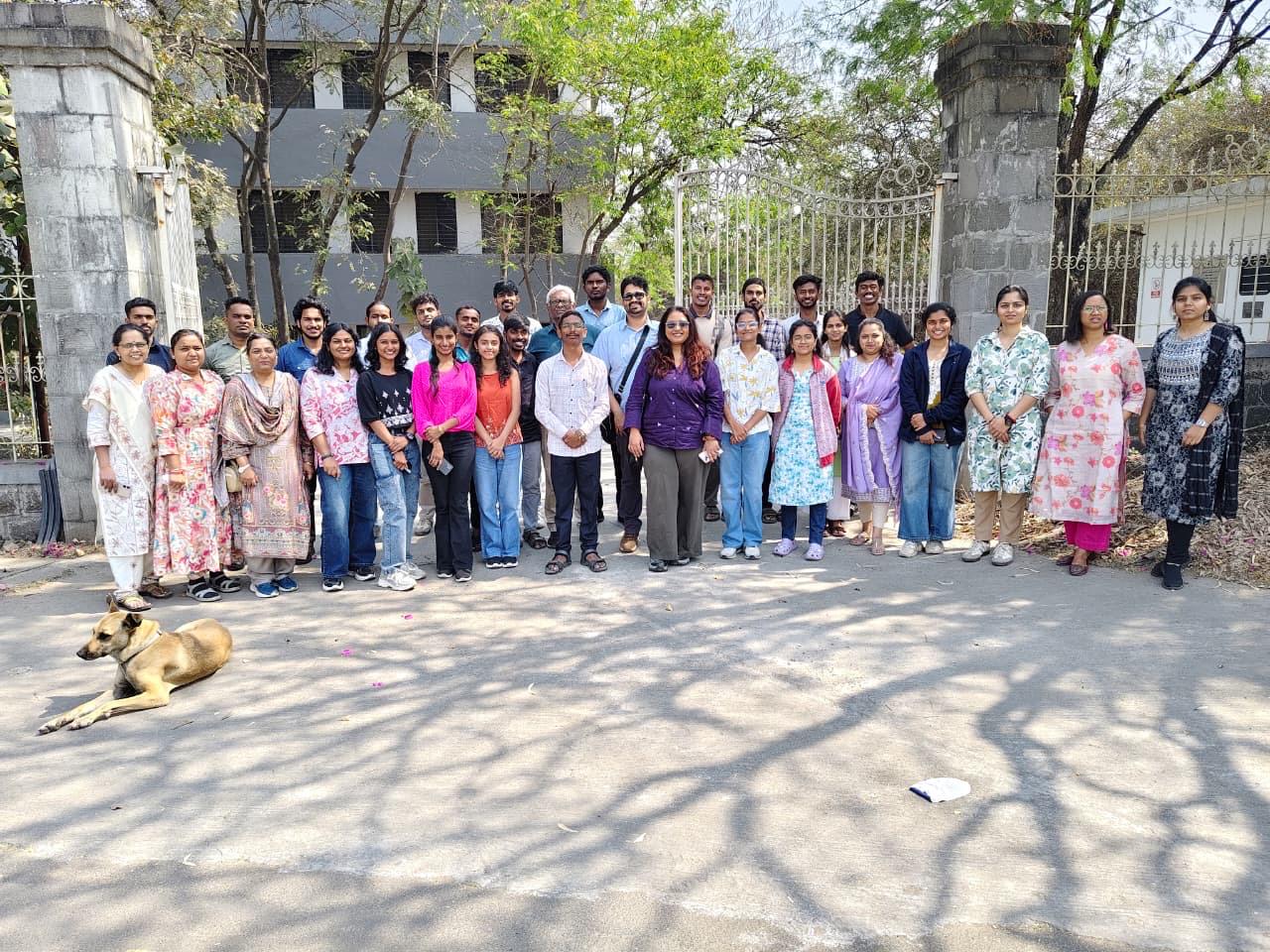
Training and teaching activities: As part of the visit, a series of lectures and workshops was delivered to Master’s students at Savitribai Phule Pune University (SPPU), focusing on landslide monitoring and early warning systems.
Outcomes of the collaboration
The visit contributed to:
The research confirmed that the key factors triggering landslides in the region include intense rainfall, steep slopes (>35°), the presence of fractures, and shallow groundwater conditions.
This marks another step toward improving our understanding of landslide processes and developing more effective monitoring and mitigation strategies.
02/2026
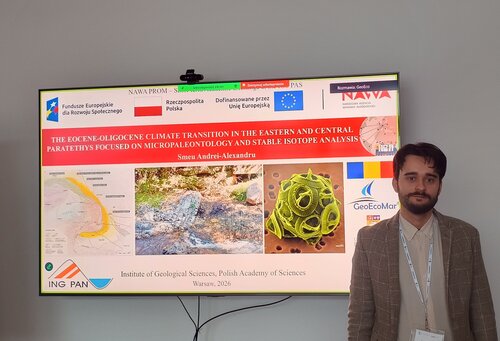
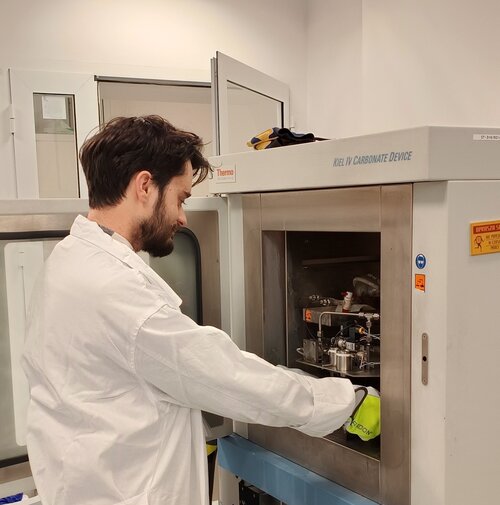
In February 2026, Andrei-Alexandru Smeu, a student of the Faculty of Geology and Geophysics at the University of Bucharest, completed a research internship at the Stable Isotope Laboratory of the Institute of Geological Sciences, Polish Academy of Sciences (IGS PAS) in Warsaw.
During his stay, the student became familiar with analytical methods used in the laboratory and carried out isotope analyses of samples that form part of a research project investigating the Eocene–Oligocene climate transition in the Eastern and Central Paratethys.
The research initiated during the internship will be continued in collaboration with the University of Bucharest for selected areas of the Carpathians. The results will provide comparative data for selected regions of Poland and Romania, contributing to a better understanding of environmental changes in the Paratethys region during the Eocene–Oligocene transition.
This internship represents another research mobility carried out within the NAWA PROM programme, which supports international scientific collaboration and the development of early-career researchers.
02/2026
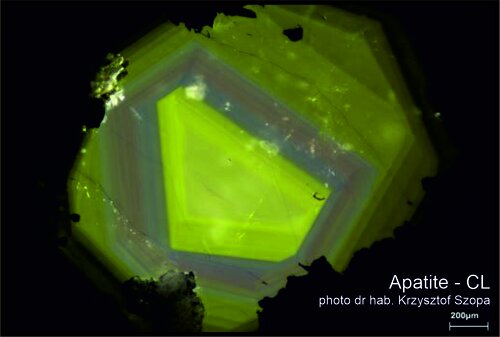
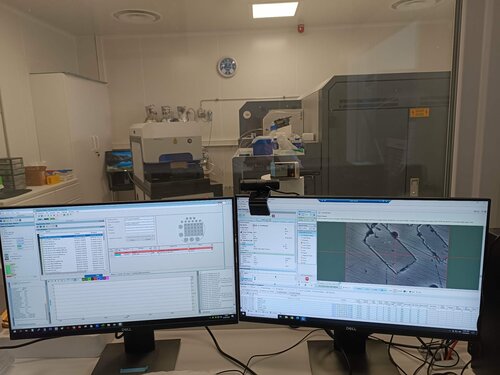
From 2–11 February 2026, Dr Anna Gumsley completed a research visit at CNRS & University of Montpellier (Geosciences Montpellier) under the supervision of Prof. Bruno Dhuime. During her visit, she gained advanced theoretical knowledge and practical expertise in in situ strontium isotope analysis of apatite using the LA-MC-ICP-MS method, as well as in data interpretation in the context of magmatic processes and crustal evolution. The visit strengthened international scientific collaboration and contributed to the development of long-term research links between ING PAN and Geosciences Montpellier. Dr Gumsley analysed, e.g., apatite crystals from pegmatites of Strzegom. Thanks to cathodoluminescence (CL) imaging made by Dr hab. Krzysztof Szopa, analytical spots were precisely located within different growth zones of apatite crystals.
01/2026
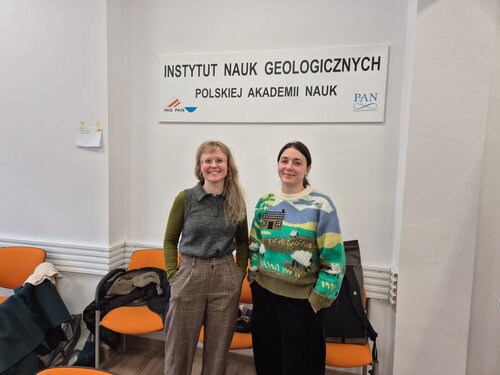
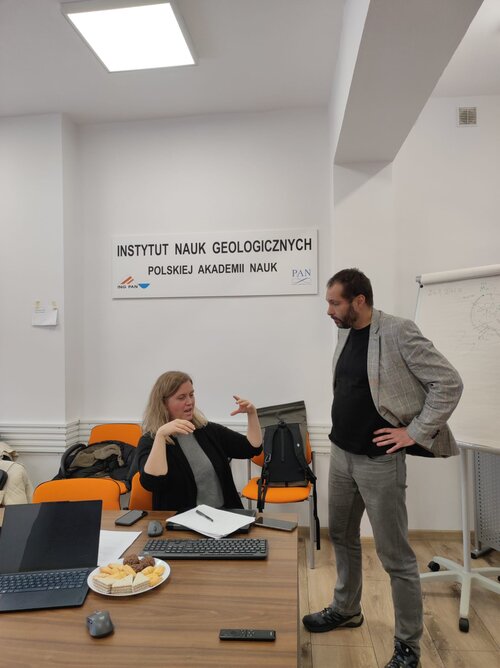
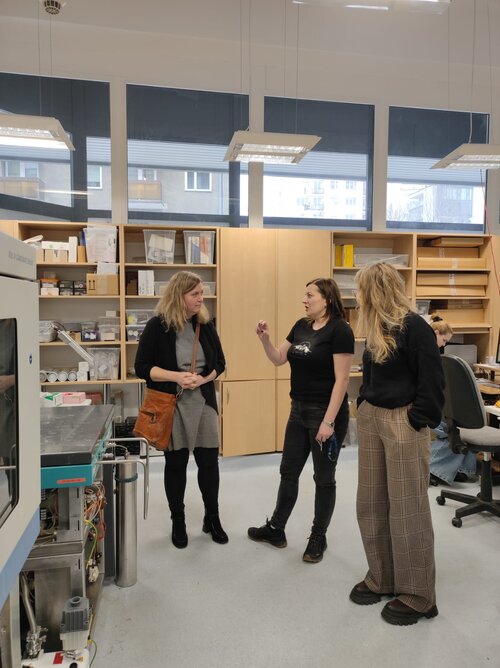
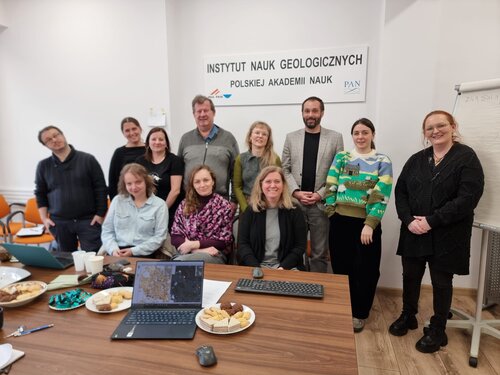
At the end of January, the GeoEco Research Group organized the Biśnik Cave Coprolite Workshop at the Research Center of IGS PAS in Warsaw.
The two-day meeting brought together researchers from multiple disciplines to explore topics related to the geology, archaeology, paleontology, ecology and—of course—coprolite research associated with Biśnik Cave.
Day 1 focused on establishing the geological and archaeological context of the site. Presentations covered the stratigraphy and excavation history of Biśnik Cave, paleontology and paleozoology of the faunal assemblages, as well as the paleoecology and taphonomy of hyena den deposits. The potential of biomarker studies in cave sediments was also discussed.
Day 2 highlighted new results from coprolite research, including multi-proxy analytical approaches, applications of paleo-metagenomics, palynological analyses of coprolites, and comparative sediment geochemistry from the Pod Oknem and Raj caves.
The workshop concluded with a discussion on future directions in coprolite research and on strengthening interdisciplinary collaboration in this field .
The participation of Freya Steinhagen (University of Tübingen) was made possible thanks to the NAWA-PROM program
01/2026
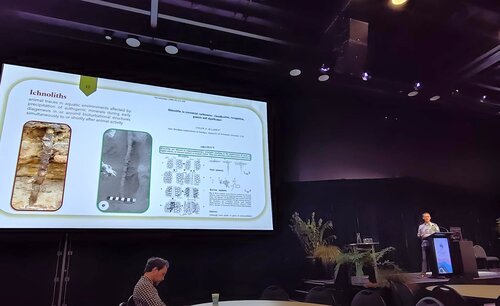
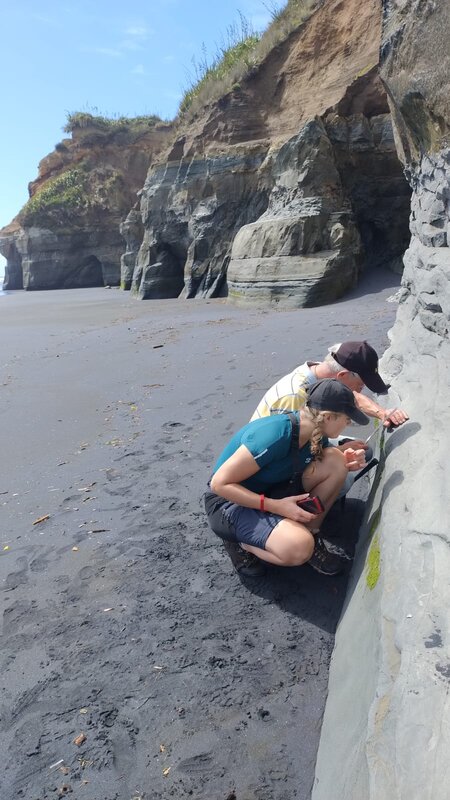
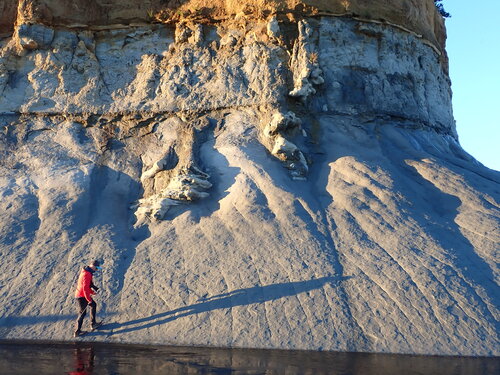
Dr. hab. Maciej Bojanowski, together with PhD candidate Iga Ryczkowska, in collaboration with Prof. Andreas Wetzel (University of Basel), conducted a scientific expedition to New Zealand. The visit included participation in the 22nd International Sedimentological Congress in Wellington as well as field investigations in the Taranaki Basin. The mobility of PhD candidate Iga Ryczkowska was carried out within the NAWA PROM programme.The research focused on carbonate ichnoconcretions associated with submarine methane seepage in Miocene deposits of the continental slope, exposed in the coastal cliffs along the Tasman Sea. These formations are exceptionally rich in trace fossils, and the studied interval includes taxa such as Scolicia, Zoophycos, Phycosiphon, Chondrites, Ophiomorpha, and Thalassinoides. Precise identification of these ichnotaxa will enable reconstruction of palaeoenvironmental conditions and assessment of the role of bioturbation in the formation of authigenic carbonates, providing new insights into sedimentary processes associated with methane seep systems.
12/2025
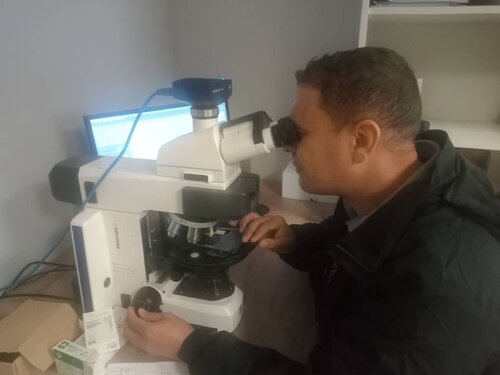
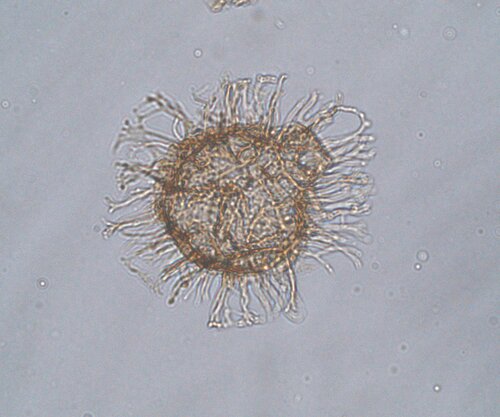
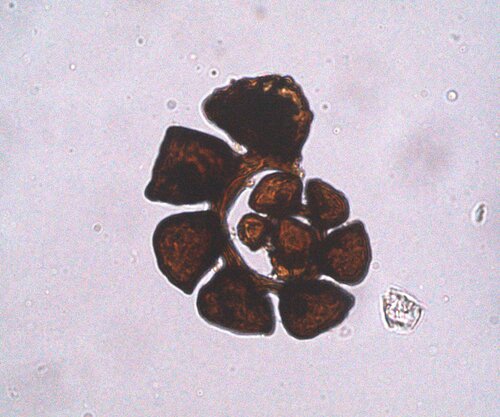
The study visit of PhD student Abdalhak Mahdjoub from Algeria has recently come to an end. It was carried out at the IGS PAS within the framework of the NAWA PROM programme, under the supervision of Dr hab. Przemysław Gedl.Reflecting on his stay, the participant highlights intensive scientific work, particularly on palynofacies and dinoflagellate cysts, as well as highly inspiring experiences beyond the laboratory: “My research stay at the IGS PAS was a unique opportunity to deepen my knowledge of palynofacies and dinoflagellate cysts under the guidance of highly respected specialists in the field. Beyond the intensive scientific training, the NAWA scholarship also provided me with the opportunity to explore Polish culture and its rich historical heritage. This experience became an exceptionally inspiring and transformative stage in both my scientific and personal development.”
11/2025
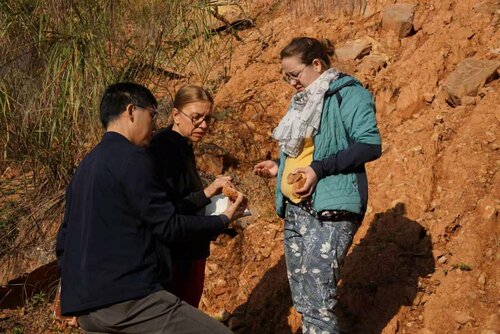
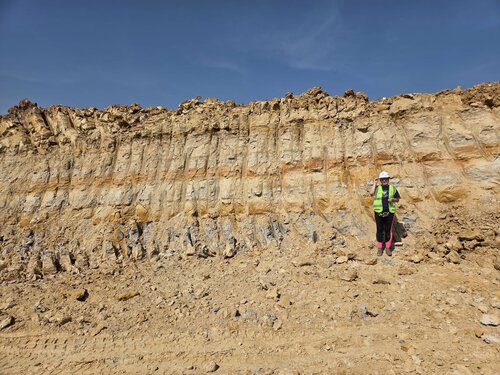
Prof. Anna Wysocka and Dr. Anna Filipek conducted a scientific visit to the Chinese Academy of Sciences, where they collaborated with a research team led by Prof. Liu Jianguo. During the visit, they documented exposures of Eocene–Oligocene rocks in the Baise and Nanning basins. The collected materials, together with newly identified locations with high research potential, represent an important step in the development of Polish–Chinese cooperation in the field of sedimentary geology. The newly identified sites open prospects for further joint research activities in this region.